

The United Nations Office at Geneva
Multimedia Newsroom
Edited News | WHO
الوضع العالمي لحمى الضنك | منظمة الصحة العالمية | الأخبار المعدلة 22 ديسمبر 2023
زيادة حالات حمى الضنك تثير مخاوف من تهديد الصحة العامة مع تسجيل أكثر من خمسة ملايين حالة في أكثر من 80 دولة في عام 2023: منظمة الصحة العالمية
قالت منظمة الصحة العالمية التابعة للأمم المتحدة يوم الجمعة إن الزيادة المفاجئة في حالات حمى الضنك على مستوى العالم في عام 2023 تمثل تهديدًا محتملاً كبيرًا للصحة العامة.
جاء التحذير في وقت أفادت فيه منظمة الصحة العالمية بتسجيل أكثر من خمسة ملايين إصابة بحمى الضنك و5000 حالة وفاة بسبب المرض في جميع أنحاء العالم هذا العام.
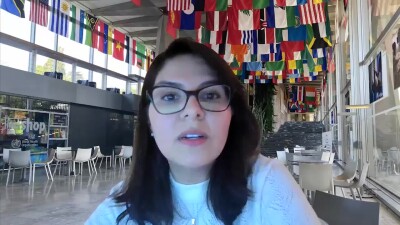
في إفادة للصحفيين يوم الجمعة في الأمم المتحدة في جنيف، قالت الدكتورة ديانا روجاس ألفاريز، رئيسة فريق الفيروسات المنقولة عن طريق الحشرات في منظمة الصحة العالمية، إن التهديد يتطلب "أقصى اهتمام واستجابة من جميع المستويات" في وكالة الصحة التابعة للأمم المتحدة لدعم الدول في السيطرة على تفشي حمى الضنك الحالي والاستعداد لموسم حمى الضنك القادم.
حمى الضنك هي العدوى الفيروسية الأكثر شيوعًا التي تنتقل إلى البشر عن طريق لدغات البعوض المصاب. توجد بشكل رئيسي في المناطق الحضرية ضمن المناخات الاستوائية وشبه الاستوائية.
يُفسر الارتفاع في عدد حالات حمى الضنك المبلغ عنها في المزيد من البلدان بحقيقة أن البعوض المصاب يزدهر الآن في المزيد من البلدان بسبب الاحترار العالمي المرتبط بزيادة الانبعاثات.
قالت الدكتورة ألفاريز: "يؤثر تغير المناخ على انتقال حمى الضنك لأنه يزيد من هطول الأمطار والرطوبة ودرجة الحرارة". "هذا البعوض حساس جدًا لدرجة الحرارة".
على الرغم من أن أربعة مليارات شخص معرضون لخطر حمى الضنك، فإن معظم المصابين لا تظهر عليهم أعراض ويتعافون عادة في غضون أسبوع إلى أسبوعين.
ومع ذلك، تتميز حالات حمى الضنك الشديدة بالصدمة والنزيف الشديد أو ضعف الأعضاء الشديد، وفقًا لمنظمة الصحة العالمية.
كما أشارت إلى أن هذه الأعراض الخطيرة غالبًا ما تبدأ "بعد زوال الحمى"، مما يفاجئ مقدمي الرعاية والمهنيين الطبيين. تشمل العلامات التحذيرية التي يجب الانتباه إليها ألم شديد في البطن، قيء مستمر، نزيف اللثة، تراكم السوائل، الخمول، القلق وتضخم الكبد.
نظرًا لعدم وجود علاج محدد لحمى الضنك، فإن الكشف المبكر والوصول إلى الرعاية الطبية المناسبة أمران حاسمان لتقليل احتمالية الوفاة بسبب حمى الضنك الشديدة.
قالت الدكتورة ألفاريز: "منذ بداية هذا العام، تم الإبلاغ عن أكثر من خمسة ملايين حالة وحوالي 5000 حالة وفاة بسبب حمى الضنك في جميع أنحاء العالم، وتم الإبلاغ عن ما يقرب من 80 في المائة من هذه الحالات في الأمريكتين، تليها جنوب شرق آسيا وغرب المحيط الهادئ". وأضافت أنه "من المثير للقلق أيضًا أن تفشي حمى الضنك يحدث في بلدان هشة ومتأثرة بالصراعات في منطقة شرق البحر الأبيض المتوسط مثل أفغانستان، باكستان، السودان، الصومال واليمن".
تغير انتشار البعوض على مستوى العالم في السنوات الأخيرة بسبب ظاهرة النينيو لعام 2023 التي زادت من تأثيرات درجات الحرارة المرتفعة وتغير المناخ، وفقًا لمنظمة الصحة العالمية.
يرتبط كلا العاملين ببلدان كانت خالية من حمى الضنك سابقًا مثل فرنسا، إيطاليا وإسبانيا التي أبلغت عن حالات إصابة نشأت في الداخل - ما يسمى بالانتقال المحلي - بدلاً من الخارج. الناقل للمرض هو بعوضة الزاعجة المصرية، التي تنتشر على نطاق واسع في أوروبا وتعرف أيضًا باسم "بعوضة النمر".
قالت الدكتورة ألفاريز: "عادةً ما تبلغ أوروبا عن حالات مستوردة من الأمريكتين، من غرب المحيط الهادئ، من المناطق الموبوءة". "لكن هذا العام رأينا مجموعات محدودة من الانتقال المحلي. كما نعلم، الصيف يصبح أكثر دفئًا".
-النهاية-
قصة: الوضع العالمي لحمى الضنك - منظمة الصحة العالمية
المدة: 2:48”
المصدر: UNTV CH
اللغة: الإنجليزية
نسبة العرض إلى الارتفاع: 16:9
التاريخ: 22 ديسمبر 2023 - جنيف، سويسرا
قائمة اللقطات
- لقطة خارجية واسعة: مبنى الأمم المتحدة مع علم الأمم المتحدة، جنيف.
- مقتطف صوتي (بالإنجليزية) – الدكتورة ديانا روجاس ألفاريز، رئيسة فريق الفيروسات المنقولة بالمفصليات في منظمة الصحة العالمية: "لقد قيمت منظمة الصحة العالمية خطر حمى الضنك على أنه مرتفع عالميًا. ما يعنيه ذلك: يتطلب أقصى اهتمام واستجابة من جميع مستويات المنظمة لدعم الدول حول العالم في السيطرة على تفشي حمى الضنك الحالي وأيضًا الاستعداد لموسم حمى الضنك القادم."
- لقطة متوسطة: مبنى الأمم المتحدة مع علم الأمم المتحدة
- مقتطف صوتي (بالإنجليزية) – الدكتورة ديانا روجاس ألفاريز، رئيسة فريق الفيروسات المنقولة بالمفصليات في منظمة الصحة العالمية: "العوامل الرئيسية لانتقال حمى الضنك هي في الغالب عوامل اجتماعية وبيئية. لذا، فإن التحضر غير المخطط له، والنمو السكاني، وعوامل أخرى مرتبطة بعملية العولمة هي جزء من ديناميات انتقال حمى الضنك. التغير المناخي له تأثير في انتقال حمى الضنك لأنه يزيد من هطول الأمطار والرطوبة ودرجة الحرارة. لذا، فإن هذه البعوضة حساسة جدًا لدرجة الحرارة."
- لقطة متوسطة: مدخل الأمم المتحدة في ساحة الأمم
- مقتطف صوتي (بالإنجليزية) – الدكتورة ديانا روجاس ألفاريز، رئيسة فريق الفيروسات المنقولة بالمفصليات في منظمة الصحة العالمية: "يمكن للبعوض أن يزدهر في المزيد من الدول بسبب ارتفاع درجات الحرارة نتيجة التغير المناخي، حيث تقوم العديد من الدول بالإبلاغ عن حالات. حوالي أربعة مليارات شخص معرضون لخطر الإصابة بفيروس حمى الضنك، لكن معظم الناس لن تظهر عليهم أي أعراض. ولكن بالنسبة لأولئك الذين تظهر عليهم الأعراض، فسيتعافون في غضون 1 إلى 2 أسبوع."
- لقطة واسعة: حديقة أريانا في الأمم المتحدة جنيف
- مقتطف صوتي (بالإنجليزية) – الدكتورة ديانا روجاس ألفاريز، رئيسة فريق الفيروسات المنقولة بالمفصليات في منظمة الصحة العالمية: "منذ بداية هذا العام، تم الإبلاغ عن أكثر من خمسة ملايين حالة وحوالي 5000 حالة وفاة بسبب حمى الضنك على مستوى العالم، وتم الإبلاغ عن حوالي 80 في المائة من هذه الحالات في الأمريكتين، تليها جنوب شرق آسيا والمحيط الهادئ الغربي. لقد تغير توزيع البعوض الذي ينقل حمى الضنك والفيروسات الأخرى المنقولة بالبعوض في السنوات الأخيرة بسبب عدة عوامل اجتماعية وبيئية."
- لقطة واسعة: حديقة أريانا في الأمم المتحدة جنيف
- مقتطف صوتي (بالإنجليزية) – الدكتورة ديانا روجاس ألفاريز، رئيسة فريق الفيروسات المنقولة بالمفصليات في منظمة الصحة العالمية: "من المقلق أيضًا أن تفشي حمى الضنك يحدث في دول هشة ومتأثرة بالصراعات في منطقة شرق البحر الأبيض المتوسط مثل أفغانستان، باكستان، السودان، الصومال، اليمن."
- لقطة متوسطة: مبنى الأمم المتحدة مع علم الأمم المتحدة
- مقتطف صوتي (بالإنجليزية) – الدكتورة ديانا روجاس ألفاريز، رئيسة فريق الفيروسات المنقولة بالمفصليات في منظمة الصحة العالمية: "عادة ما تقوم أوروبا بالإبلاغ عن حالات مستوردة من الأمريكتين، من المحيط الهادئ الغربي، من المناطق الموبوءة. ولكن هذا العام رأينا مجموعات محدودة من الانتقال المحلي. كما نعلم، الصيف يزداد حرارة وهناك ناقلان رئيسيان لهذا الفيروس. أحدهما هو بعوضة الزاعجة المصرية التي تنتشر على نطاق واسع في أوروبا وتسمى بعوضة النمر."
- لقطة واسعة: مبنى الأمم المتحدة مع صف الأعلام
Similar Stories

1
1
1
Edited News | OCHA , UNICEF , WFP
Aid agencies warned on Friday of the fast-developing humanitarian emergency inside Taiz City in Yemen, which has been encircled by de facto Houthi forces fighting government troops along the country’s west coast.

2
17
1
2
Edited News , Press Conferences , Images | OCHA , WMO
Two UN agencies teamed up on Wednesday to issue an appeal for immediate assistance to help communities already being impacted by the strongest El Niño on record.

3
16
2
2
Edited News , B-roll , Conferences , Images | UNITED NATIONS , UNOG
Sixth Consultative Meeting on Enhancing Coordination of Peace Initiatives and Efforts for Sudan

1
1
1
Edited News | UNICEF , WHO , UNHCR
Yemen war continues to force families from homes amid hunger and disease
More than 250,000 people have now fled renewed fighting in Yemen, the UN said on Tuesday, citing particular concern for those sheltering in the southwestern city of Taiz and the wider governorate, where access is “essentially blocked”.

1
1
1
Edited News | UNICEF
A little over one year since a ceasefire agreement was announced between Hamas fighters and Israel, more than 340 children have been reported killed and hundreds more injured, the UN Children’s Fund, UNICEF, said on Friday.

1
1
1
Edited News | UNICEF , IFRC
Six weeks after Nepal’s deadly flooding disaster, communities are still struggling to rebuild their lives, but they will need sustained help as global warming increases the risk of another Himalayan catastrophe, the UN Children’s Fund (UNICEF) said on Friday.

1
1
1
Edited News | WHO
In suspected Russia plague death, testing and monitoring underway – WHO
The death of a lab worker in Russia’s Siberia region has sparked concerns about plague being the cause, the UN World Health Organization (WHO) said on Tuesday, adding that it was following the situation closely.

1
1
Edited News | OHCHR , UNOG
UN Human Rights Chief Volker Türk on Friday provided and oral update to the 63rd session of the Human rights Council on Ukraine.

1
1
1
Edited News | OHCHR , UNOG
UN Human Rights Chief Volker Türk on Friday provided and oral update to the 63rd session of the Human rights Council on the human rights situation in Haiti.

1
1
1
Edited News | WHO
Repeated delays in bringing lifesaving medicines, prosthetics and more from Israel into Gaza risk having devastating consequences on Palestinians who urgently need them in the wartorn enclave, the UN World Health Organization (WHO) said on Friday. “A truck full of non-priority supplies or the right supplies arriving too late, doesn't save lives. That's the question that actually matters," said Dr Reinhilde Van De Weerdt, WHO Representative in the OPT.

1
1
1
Edited News | WHO
DRC: Early access to care and oxygen decisive for Ebola patients’ survival – WHO
In the Democratic Republic of the Congo (DRC), health workers fighting the country’s largest-ever Ebola outbreak are struggling to overcome critical challenges to patient care, the UN World Health Organization (WHO) warned on Tuesday.

1
1
1
Edited News | OCHA , UN
Civilians in Iran are continuing to feel the consequences of months of conflict and military escalation, the UN’s top official in the country has said, as loss of life, damage to civilian infrastructure and mounting economic pressures leave many facing continued uncertainty.