

The United Nations Office at Geneva
Multimedia Newsroom
Human Rights Council votes to hold urgent debate on Ukraine crisis
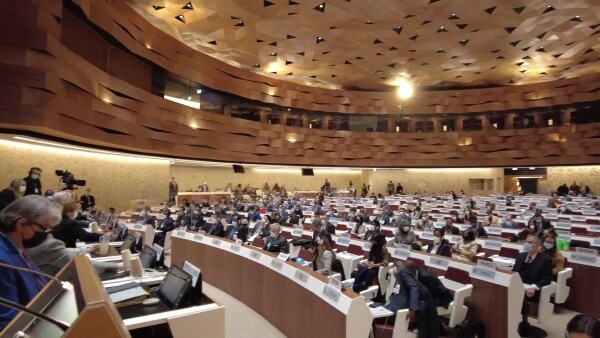
The scheduled work of the UN Human Rights Council was halted temporarily on Monday as Member States were called to vote on a request from Ukraine to hold an urgent debate on the matter and to condemn Russia’s military operation.
Addressing the Council, Yevheniia Filipenko, Permanent Representative of Ukraine to the UN in Geneva, outlined the death and suffering caused across Ukraine, amid reports that talks were under way between Ukraine and Russia at the Belorussian border.
The Ukraine delegation also presented a draft resolution to be considered during the Urgent Debate, calling for the Council to set up an international probe into any alleged human rights violations stemming from the Russian move.
“The reason for this request is known to the whole world. Russia - a Member of this Council - perpetrated an unprovoked and unjustified attack on Ukraine,” said Ms. Filipenko. “It was an attack not only on Ukraine, it was an attack on every UN Member State in the United Nations and on the principles that this organization was created to defend.
“After weeks of Russia-instigated escalation and threats, on 24 February, its troops entered Ukraine from the territory of the Russian Federation and Belarus in a full-scale invasion, using a wide arsenal of military capabilities and personnel. In four days, the toll of this action on Ukraine has become devastating. According to Ukraine's Ministry of Health, 352 people, including 16 children, were killed and around 1,700 people, among them at least 160 children wounded. Hundreds of thousands of Ukrainians have been internally displaced or became refugees. Ukrainian people have been subjected to regular bombing and shelling. Thousands of homes have been damaged or destroyed. Attacks on the capital city of Kiev and other Ukrainian cities have forced million people to spend days and nights in shelters and subways.”
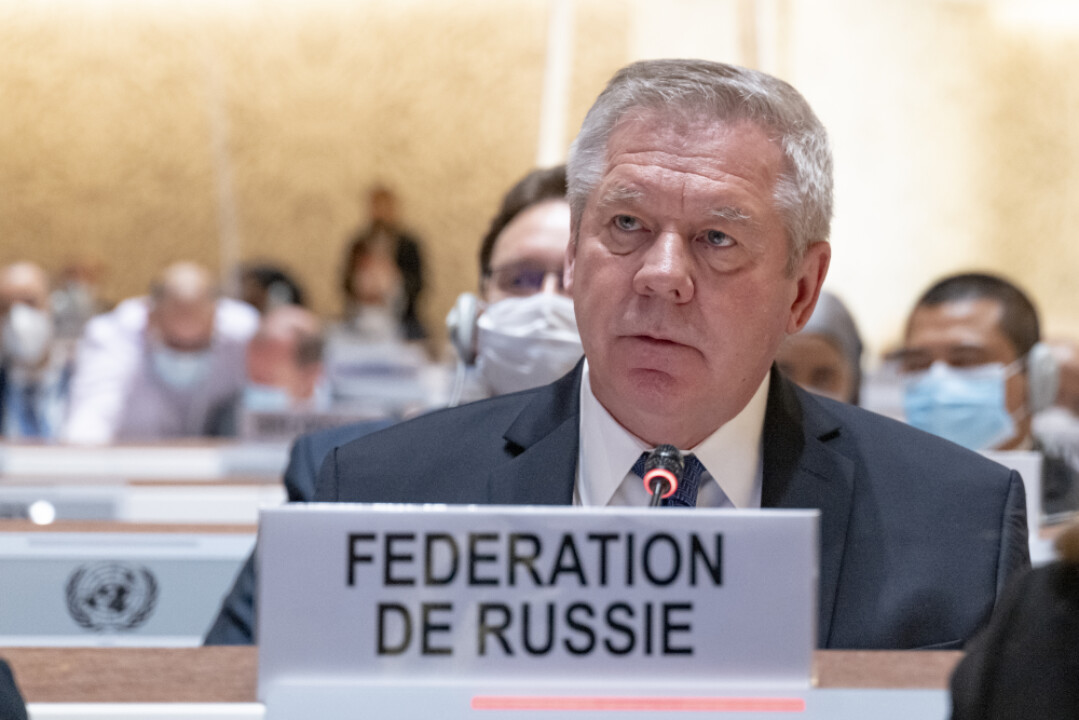
Rejecting the request for an Urgent Debate, which will happen on Thursday at the Council, Russian Representative Gennady Gatilov expressed disappointment “with the attempts of a number of delegations to once again ramp up confrontation in the Council. The proposal to discuss as an Urgent Debate the topic that has nothing to do with the true concerns about human rights in Ukraine. Before us we have nothing other than the usual attempt by Kiev to distract the attention of the international community away from what they have been doing for nearly eight years now, which is a targeted destruction of innocent women, children and elderly people in Donetsk and Luhansk.”
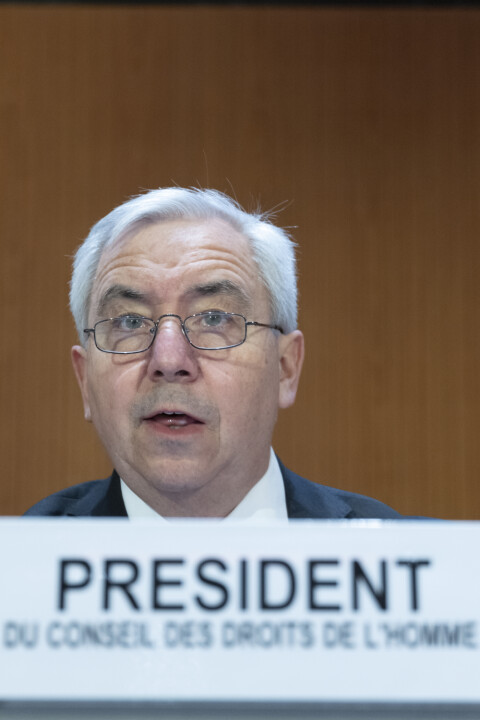
Following that intervention, President of the Human Rights Council Federico Villegas (Argentina) called on all 47 Members of the body to vote on Ukraine’s request. “The results of the nominal votes are: 29 votes in favour, five against, 13 abstentions. Therefore, the proposal is adopted,” he said.
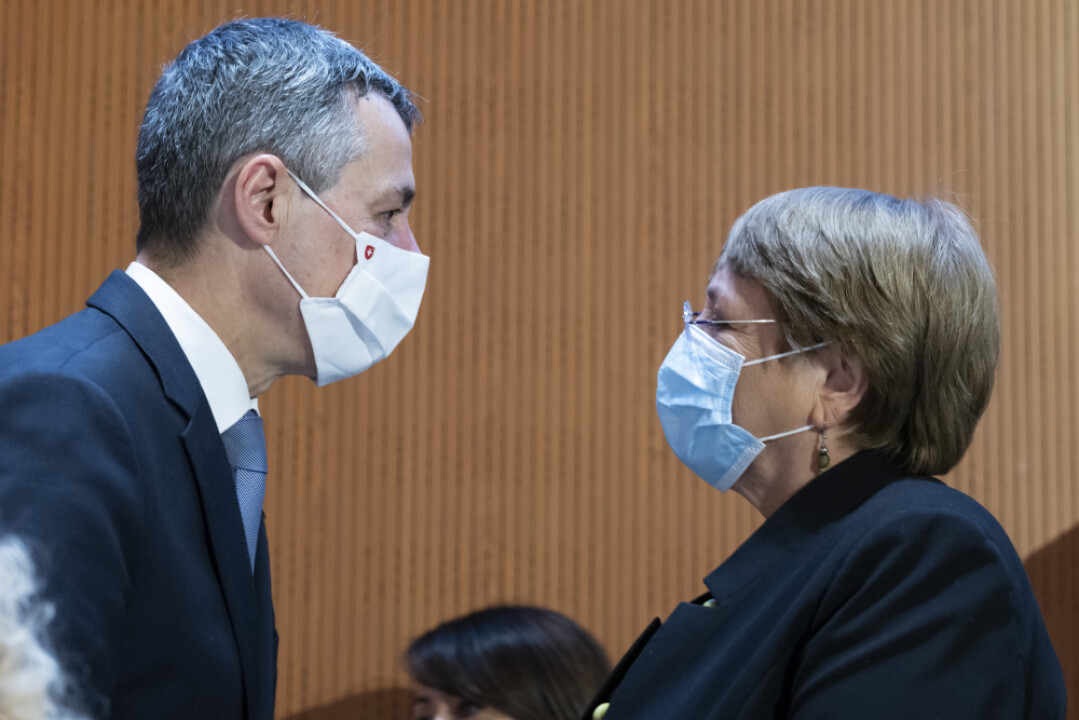
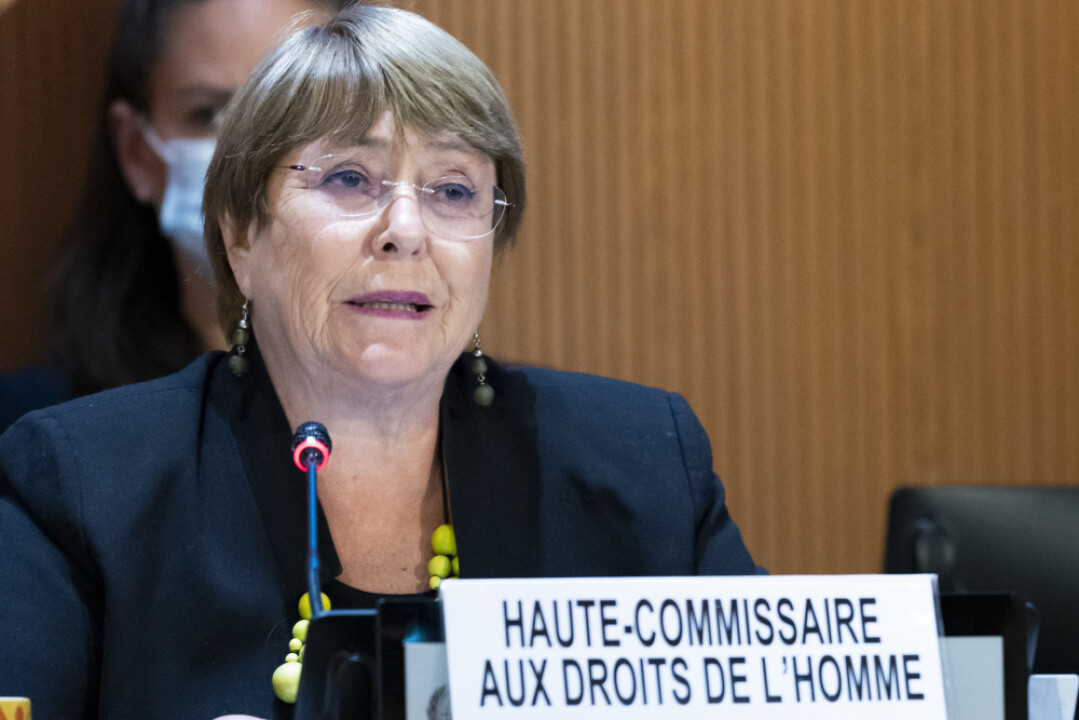
Highlighting grave concerns about the toll on civilians from the “military attack on Ukraine”, Michelle Bachelet, UN High Commissioner for Human Rights said that “countless lives” were being put at risk.
“Between Thursday morning and last night, our office has recorded 406 civilian casualties, including 102 killed – including seven children – and 304 injured,” she said. “Most of these civilians were killed by explosive weapons with a wide impact area, including shelling from heavy artillery and multi-launch rocket systems, and airstrikes. The real figures are, I fear, considerably higher.”
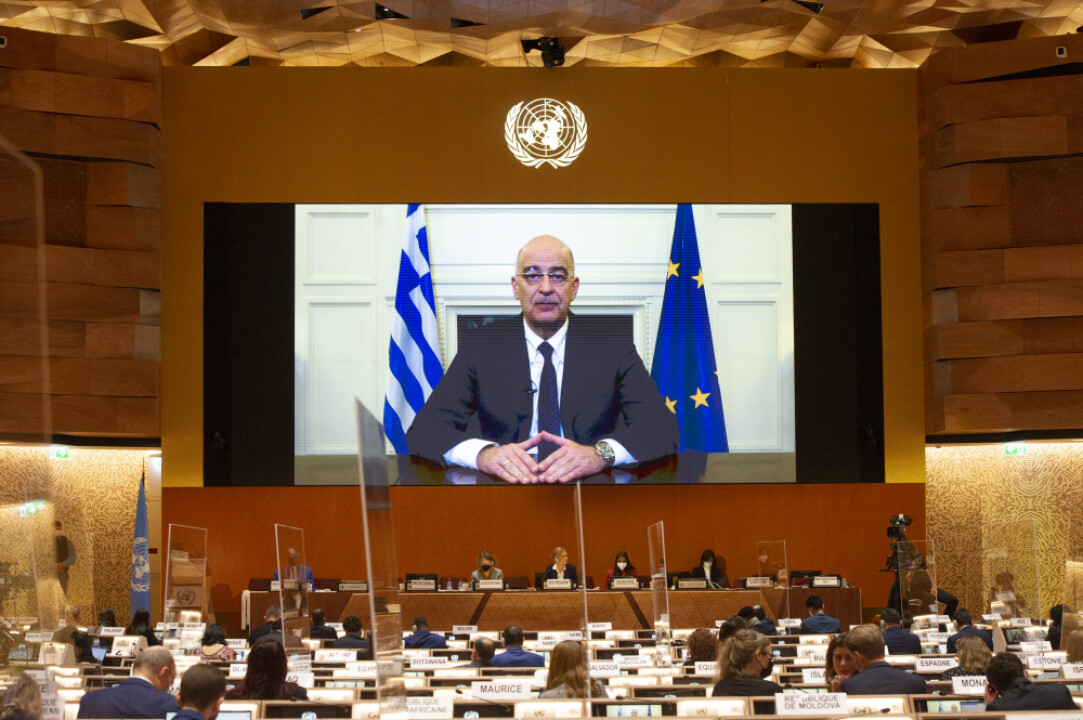
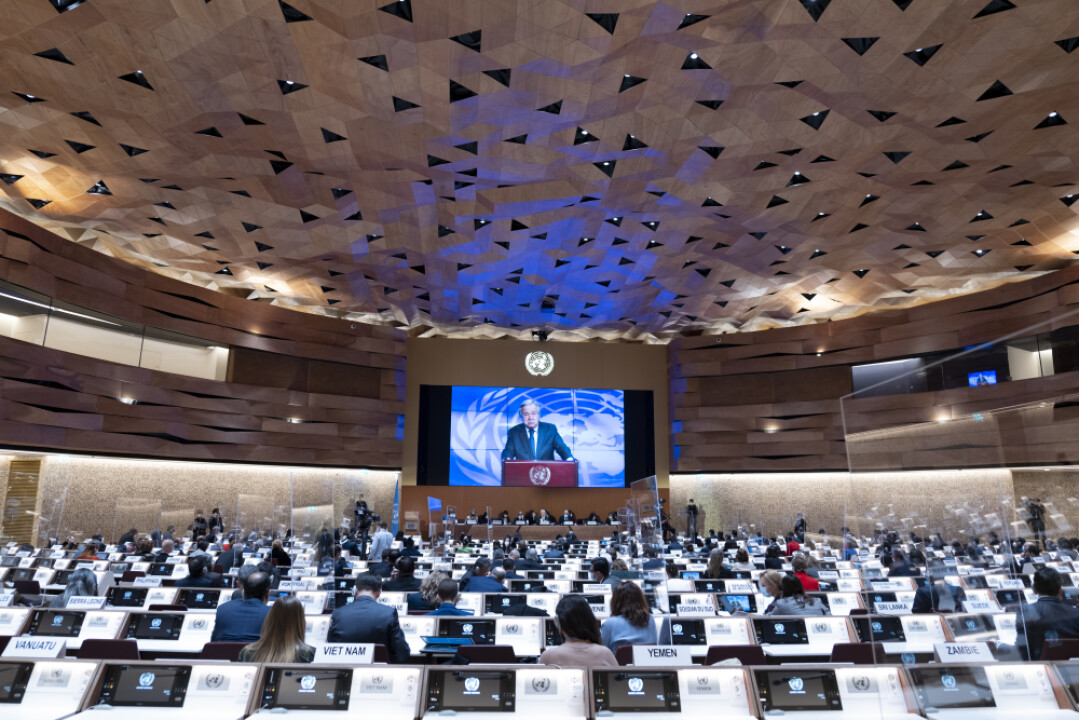
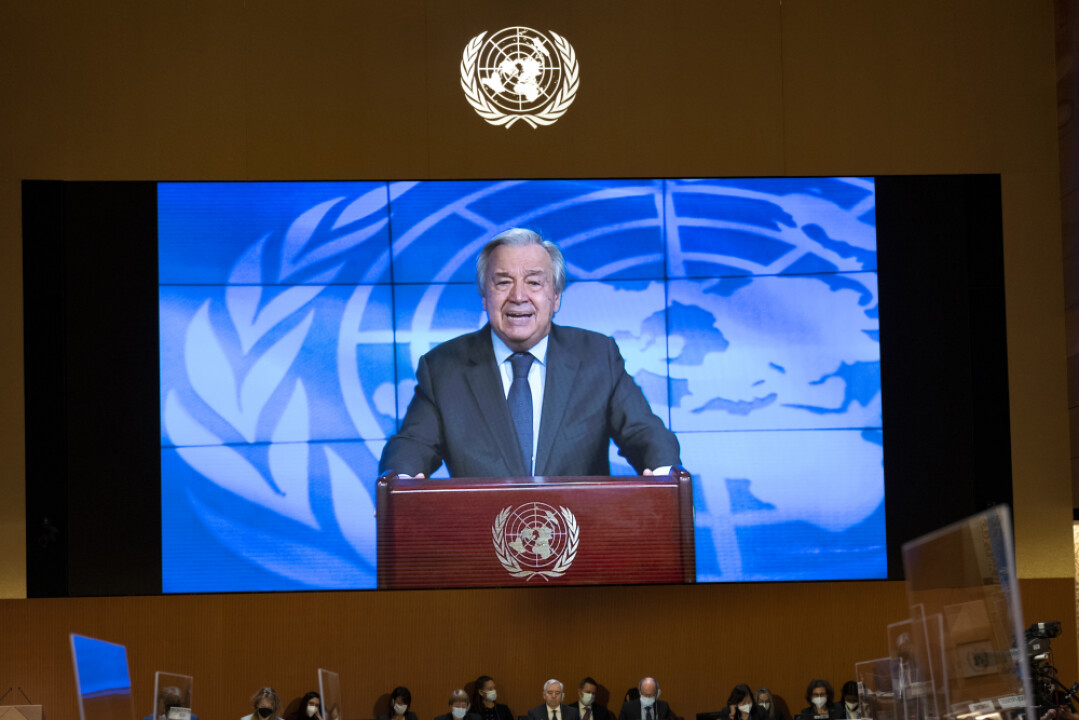
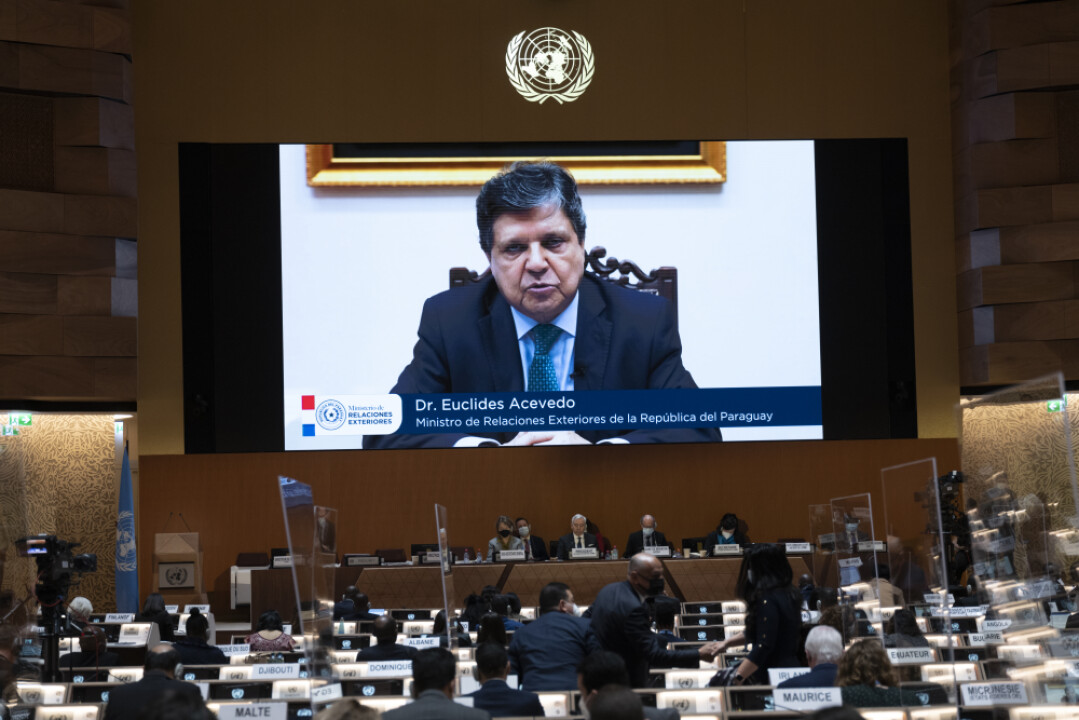
After speaking out against the Russian action in recent days, UN Secretary-General António Guterres in his video address to the rights body, insisted that human rights are “inescapable” as well as “powerful…People everywhere know that intuitively. And autocrats, especially, know that human rights pose the greatest threat to authority. That’s why they stop at nothing to deny, dismiss and distract people’s attention, as they trample on basic rights and freedoms.”
Amid reports from the UN human rights office, OHCHR, that more than 1,800 anti-war protesters have been arrested in Russia, Mr. Guterres said that “closing down a celebrated human rights organization, with a proud history and global links, this is not the sign of a strong State. It is the sign of a state that fears the power of human rights.”
Ignazio Cassis, President of the Swiss Confederation, underscored the level of international concern: “Let us be clear, the efforts of the Russian Federation to legitimise its actions are not credible. No provocation happened to justify such an intervention. Switzerland condemns in the firmest manner possible the attack by the Russian Federation against Ukraine, which constitutes a flagrant violation of international law, notably the proscription of the use of force and the principle of the territorial sovereignty of States. The military intervention of the Russian Federation runs contrary to the most fundamental principles of the United Nations Charter, which were created out of the ruins of two world wars.”
Speakers:
- António Guterres, UN Secretary-General
- Michelle Bachelet, UN High Commissioner for Human Rights
- Federico Villegas (Argentina), President, Human Rights Council
- Ignazio Cassis, President of the Swiss Confederation
- Yevheniia Filipenko, Permanent Representative of Ukraine to the UN in Geneva
- Gennady Gatilov, Permanent Representative of the Russian Federation to the UN in Geneva
Continuity file of every spaekers under Conference Extracts
Photos on https://www.flickr.com/photos/unisgeneva
STORY: Ukraine Urgent Debate Request – Human Rights Council
TRT: 5 mins 27s
SOURCE: UNTV CH
RESTRICTIONS: NONE
LANGUAGE: ENGLISH / FRENCH / RUSSIAN / SPANISH
ASPECT RATIO: 16:9
DATELINE: 28 February 2022 GENEVA, SWITZERLAND
SHOTLIST
- Wide shot, UN flag alley, UN Geneva.
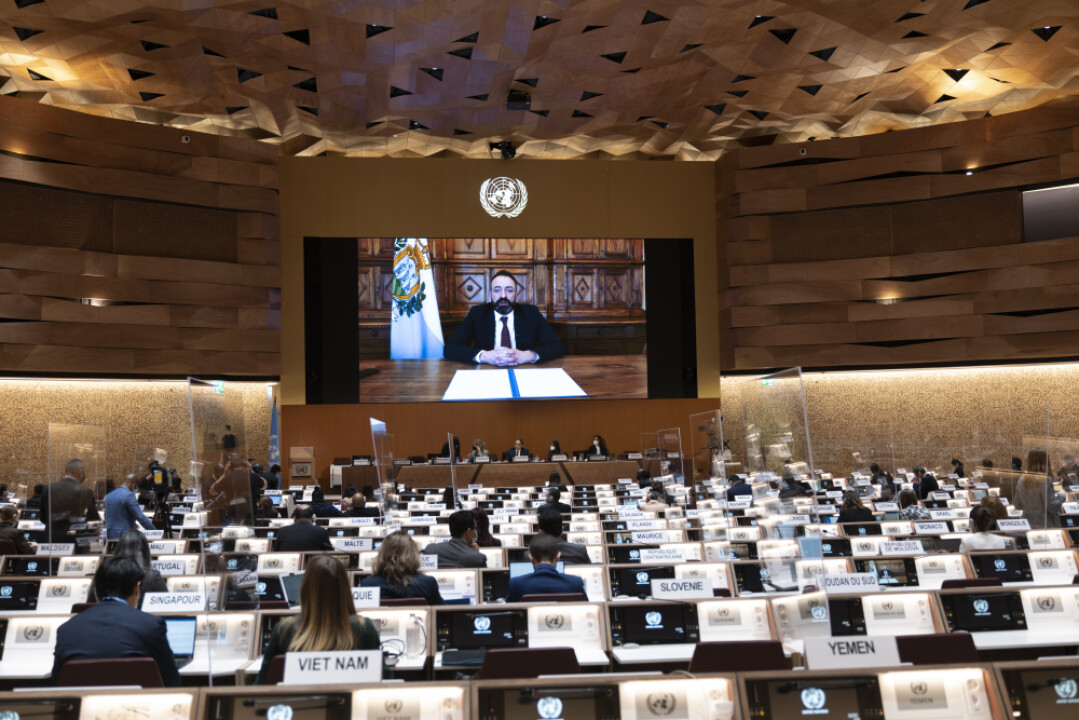
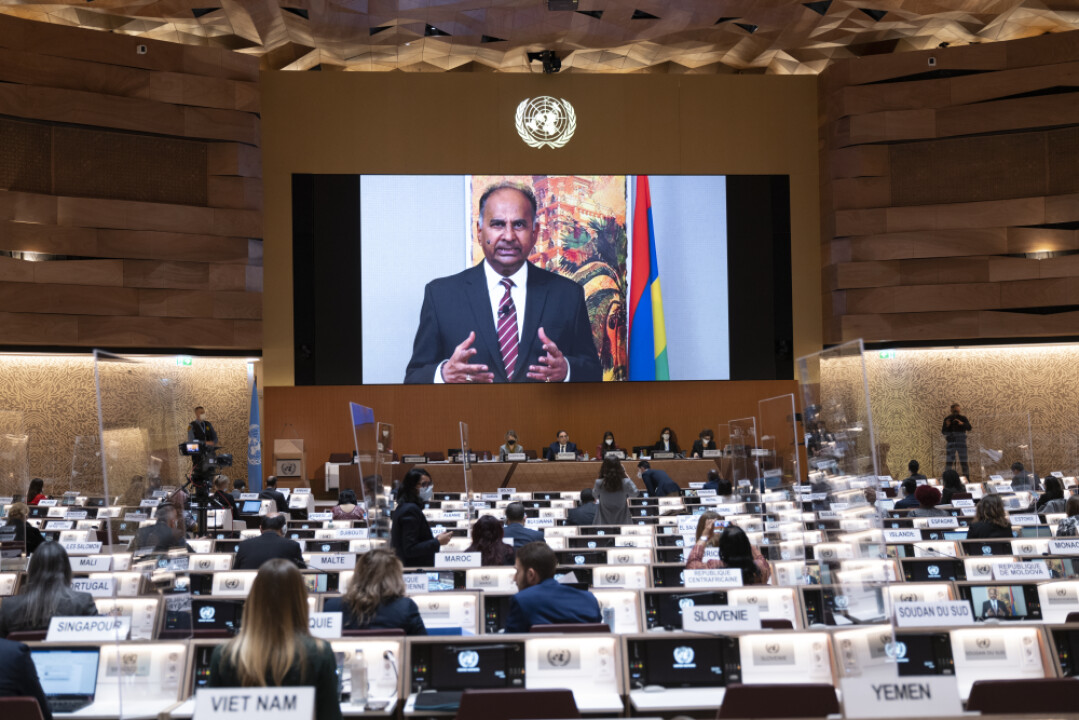
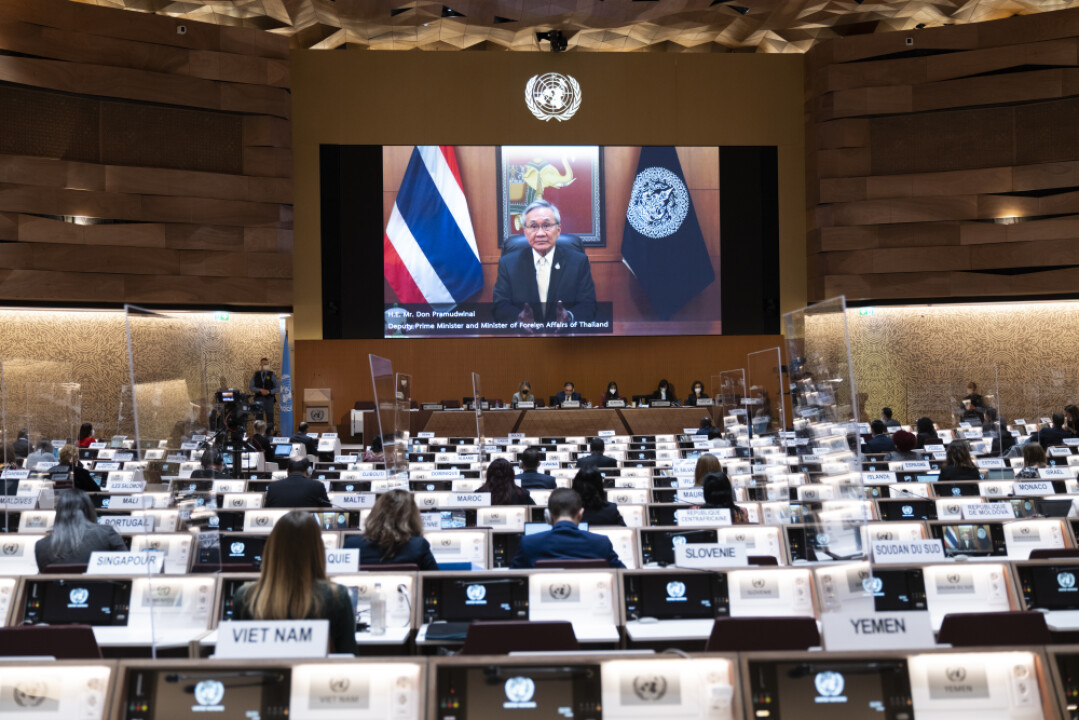
- Wide shot: UN Human Rights Council meeting at UN Geneva, Room XIX, UN Geneva.
- Wide shot, panning, UN Human Rights Council meeting at UN Geneva, Room XIX, UN Geneva.
- SOUNDBITE (English): Yevheniia Filipenko, Permanent Representative of Ukraine to the UN in Geneva: “The reason for this request is known to the whole world. Russia - a Member of this Council - perpetrated an unprovoked and unjustified attack on Ukraine. It was an attack not only on Ukraine, it was an attack on every UN Member State in the United Nations and on the principles that this Organization was created to defend. After weeks of Russia-instigated escalation and threats, on 24 February, its troops entered Ukraine from the territory of the Russian Federation and Belarus in a full-scale invasion, using a wide arsenal of military capabilities and personnel. In four days, the toll of this action on Ukraine has become devastating. According to Ukraine's Ministry of Health, 352 people, including 16 children, were killed and around 1,700 people, among them at least 160 children wounded. Hundreds of thousands of Ukrainians have been internally displaced or became refugees. Ukrainian people have been subjected to regular bombing and shelling. Thousands of homes have been damaged or destroyed. Attacks on the capital city of Kiev and other Ukrainian cities have forced million people to spend days and nights in shelters and subways.”
- Medium wide shot, Human Rights Council delegates, seated and masked.
- SOUNDBITE (Russian): Gennady Gatilov, Permanent Representative of the Russian Federation to the UN in Geneva: “Мы разочарованы попытками ряда делегаций в очередной раз взвинтить градус конфронтации в Совете. Предложенная к обсуждению в ходе предполагаемых срочных дебатов тема не имеет ничего общего с истинной заботой о защите прав человека на Украине. Перед нами ни что иное, как очередная попытка Киева отвести внимание международного сообщества от творившегося уже без малого восемь лет целенаправленного уничтожения ни в чем ни повинного мирного населения Донецка и Луганска – женщин, детей, стариков.” (“We’re disappointed with the attempts of a number of delegations to once again ramp up confrontation in the Council. The proposal to discuss as an Urgent Debate the topic that has nothing to do with the true concerns about human rights in Ukraine. Before us we have nothing other than the usual attempt by Kiev to distract the attention of the international community away from what they have been doing for nearly eight years now, which is a targeted destruction of innocent women, children and elderly people in Donetsk and Luhansk.”)
- Medium shot, Human Rights Council delegates, seated and masked.
- Medium shot, Human Rights Council podium speakers, seated and masked.
- SOUNDBITE (Spanish): Federico Villegas (Argentina), President, Human Rights Council: “Los resultados de las votaciones nominales son: 29 votos a favor, 5 votos en contra, 13 abstenciones. Por lo tanto la propuesta se adopta. (“The results of the nominal votes are: 29 votes in favor, 5 against, 13 abstentions. Therefore, the proposal is adopted.”)
- Medium shot, showing Michelle Bachelet, UN High Commissioner for Human Rights, in profile, seated at podium.
- SOUNDBITE (English): Michelle Bachelet, UN High Commissioner for Human Rights: “The military attack on Ukraine is putting at risk countless lives. Between Thursday morning and last night, our office has recorded 406 civilian casualties, including 102 killed – including seven children – and 304 injured. Most of these civilians were killed by explosive weapons with a wide impact area, including shelling from heavy artillery and multi-launch rocket systems, and airstrikes. The real figures are, I fear, considerably higher.”
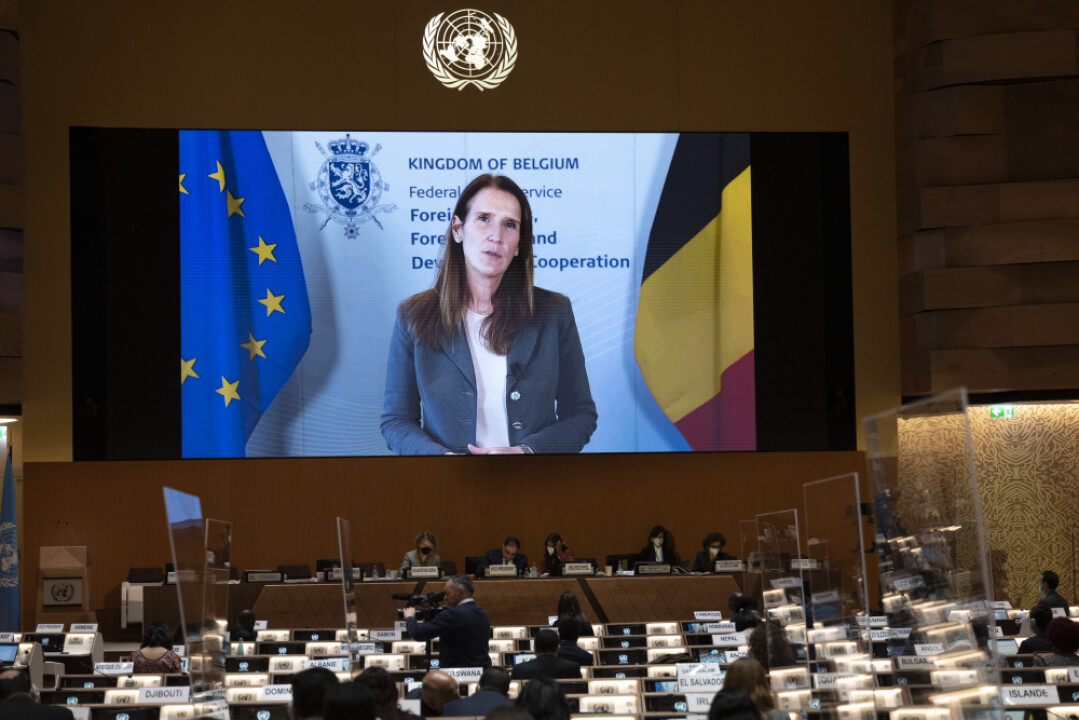
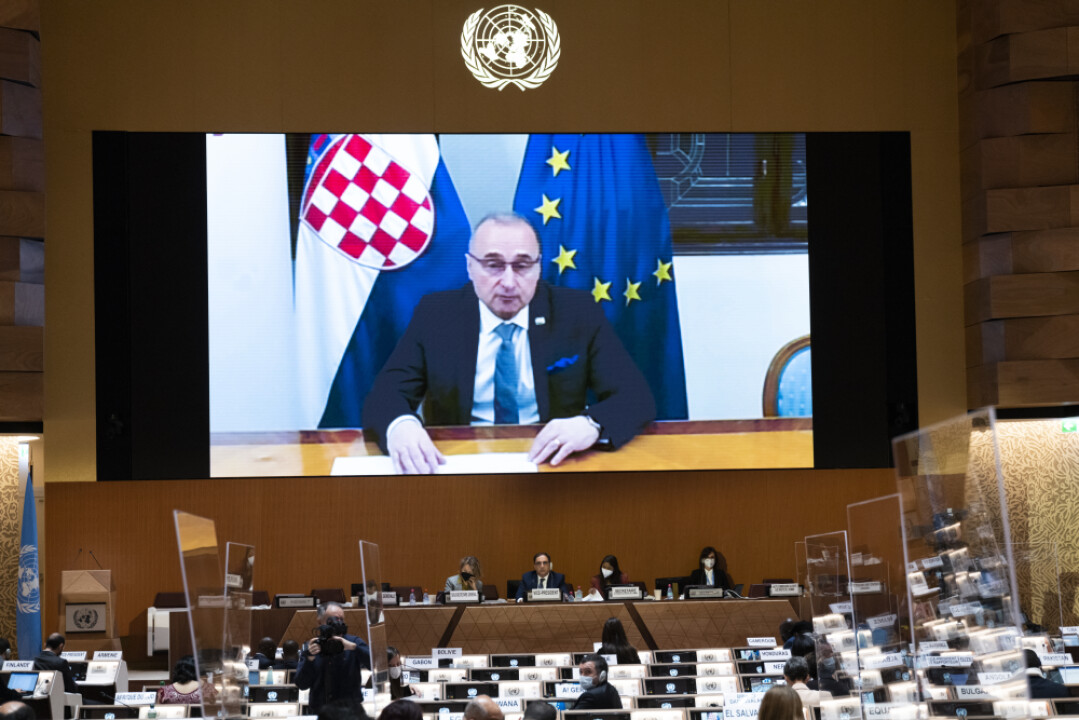
- Medium-wide shot, showing delegates listening to António Guterres, UN Secretary-General, delivering video address:
- SOUNDBITE (French): António Guterres, UN Secretary-General: “Les droits humains sont incontournables. Ils sont puissants. Chacun le sait partout instinctivement. Les autocrates en particulier, savent que les droits humains constituent la plus grande menace pour le pouvoir. Nier, rejeter, détourner l'attention, ils ne reculent devant rien tandis qu'il piétinent les libertés et droits fondamentaux. Contraindre la fermeture d'une organisation reconnue de défense des droits de l'homme grande par son histoire et par ses liens internationaux, n'est pas le signe d'un État fort. C'est le signe d'un État qui craint la puissance des droits humains.” (“Human rights are inescapable. They are powerful. People everywhere know that intuitively. And autocrats, especially, know that human rights pose the greatest threat to authority. That’s why they stop at nothing to deny, dismiss and distract people’s attention, as they trample on basic rights and freedoms. Closing down a celebrated human rights organization, with a proud history and global links, this is not the sign of a strong State. It is the sign of a state that fears the power of human rights.”
- Medium shot, President of the Swiss Confederation Ignazio Cassis giving speech on the podium, masked participants listening to the side.
- SOUNDBITE (French): Ignazio Cassis, President of the Swiss Confederation: “Soyons clairs, les tentatives de la Fédération de Russie pour légitimer son action ne sont pas crédibles. Il n'y a eu aucune provocation permettant de justifier une telle intervention. La Suisse condamne avec la plus grand fermeté l'attaque de la Fédération de Russie contre l'Ukraine, qui constitue une violation flagrante du droit international, notamment de l'interdiction du recours à la force et du principe de l'intégrité territoriale des États. L'intervention militaire de la Fédération de Russie est contraire aux principes les plus élémentaires de la Charte des Nations Unies qui ont été bâties sur les ruines de deux guerres mondiales.” (“Let us be clear, the efforts of the Russian Federation to legitimise its actions are not credible. No provocation happened to justify such an intervention. Switzerland condemns in the firmest manner possible the attack by the Russian Federation against Ukraine, which constitutes a flagrant violation of international law, notably the proscription of the use of force and the principle of the territorial sovereignty of States. The military intervention of the Russian Federation runs contrary to the most fundamental principles of the United Nations Charter, which were created out of the ruins of two world wars.”
- Medium shot: representative of Russian Federation.
- Medium shot: representative of Russian Federation.
- Medium shot: representative of European Union.
- Medium shot: representative of Georgia.
- Medium shot: representative of UK.
- Medium shot: representative of Poland.
- Medium shot: representative of France.
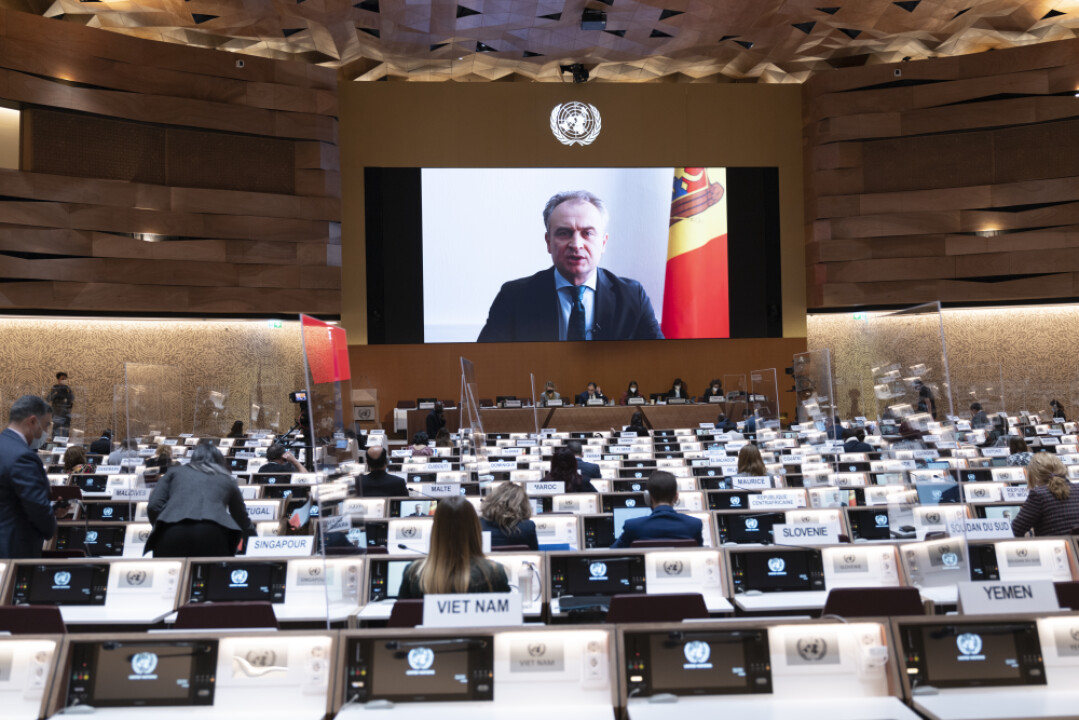
- Medium shot: representative of Moldova.
- Medium shot: representative of Finland.
- Medium shot: representative of US.
- Wide shot: António Guterres, UN Secretary-General delivering video address.
Similar Stories

1
1
1
Edited News | OCHA , UNICEF , WFP
Aid agencies warned on Friday of the fast-developing humanitarian emergency inside Taiz City in Yemen, which has been encircled by de facto Houthi forces fighting government troops along the country’s west coast.

2
17
1
2
Edited News , Press Conferences , Images | OCHA , WMO
Two UN agencies teamed up on Wednesday to issue an appeal for immediate assistance to help communities already being impacted by the strongest El Niño on record.

3
16
2
2
Edited News , B-roll , Conferences , Images | UNITED NATIONS , UNOG
Sixth Consultative Meeting on Enhancing Coordination of Peace Initiatives and Efforts for Sudan

1
1
1
Edited News | UNICEF , WHO , UNHCR
Yemen war continues to force families from homes amid hunger and disease
More than 250,000 people have now fled renewed fighting in Yemen, the UN said on Tuesday, citing particular concern for those sheltering in the southwestern city of Taiz and the wider governorate, where access is “essentially blocked”.

1
1
1
Edited News | UNICEF
A little over one year since a ceasefire agreement was announced between Hamas fighters and Israel, more than 340 children have been reported killed and hundreds more injured, the UN Children’s Fund, UNICEF, said on Friday.

1
1
1
Edited News | UNICEF , IFRC
Six weeks after Nepal’s deadly flooding disaster, communities are still struggling to rebuild their lives, but they will need sustained help as global warming increases the risk of another Himalayan catastrophe, the UN Children’s Fund (UNICEF) said on Friday.

1
1
1
Edited News | WHO
In suspected Russia plague death, testing and monitoring underway – WHO
The death of a lab worker in Russia’s Siberia region has sparked concerns about plague being the cause, the UN World Health Organization (WHO) said on Tuesday, adding that it was following the situation closely.

1
1
Edited News | OHCHR , UNOG
UN Human Rights Chief Volker Türk on Friday provided and oral update to the 63rd session of the Human rights Council on Ukraine.

1
1
1
Edited News | OHCHR , UNOG
UN Human Rights Chief Volker Türk on Friday provided and oral update to the 63rd session of the Human rights Council on the human rights situation in Haiti.

1
1
1
Edited News | WHO
Repeated delays in bringing lifesaving medicines, prosthetics and more from Israel into Gaza risk having devastating consequences on Palestinians who urgently need them in the wartorn enclave, the UN World Health Organization (WHO) said on Friday. “A truck full of non-priority supplies or the right supplies arriving too late, doesn't save lives. That's the question that actually matters," said Dr Reinhilde Van De Weerdt, WHO Representative in the OPT.

1
1
1
Edited News | WHO
DRC: Early access to care and oxygen decisive for Ebola patients’ survival – WHO
In the Democratic Republic of the Congo (DRC), health workers fighting the country’s largest-ever Ebola outbreak are struggling to overcome critical challenges to patient care, the UN World Health Organization (WHO) warned on Tuesday.

1
1
1
Edited News | OCHA , UN
Civilians in Iran are continuing to feel the consequences of months of conflict and military escalation, the UN’s top official in the country has said, as loss of life, damage to civilian infrastructure and mounting economic pressures leave many facing continued uncertainty.