

The United Nations Office at Geneva
Multimedia Newsroom
Edited News | UNITED NATIONS
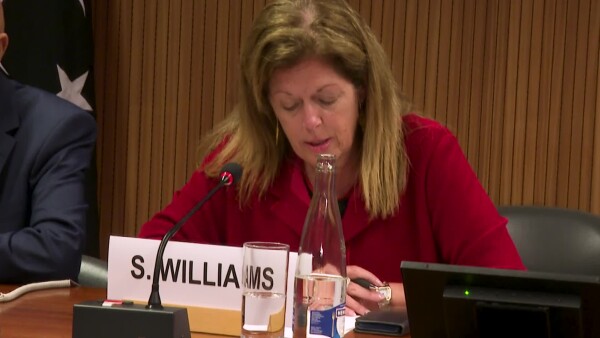
Continuity: High Level Meeting on Libyan Constitutional Track - Stephanie Williams 28 June 2022
The following is a translation of comments in Arabic by Ms. Williams to the Leaders of Libya's House of Representatives (HOR) and the High State Council (HSC) in Geneva on Tuesday 29 June 2022:
"Excellencies, Honorable Speaker of the Parliament, President of the High Council of State
Distinguished members of the delegations,
I am very pleased to welcome you here today in this United Nations Headquarters, the Palais des Nations, a historic and highly symbolic United Nations venue, which once hosted the League of Nations, and which I truly hope will be auspicious for this important meeting.
I would like to express my gratitude to our host, the Swiss Government, which has once again demonstrated its friendship to the United Nations and to Libya, welcoming us at very short notice with gracious hospitality.
Your presence here today is an example of responsible leadership and I want to thank you for accepting my invitation to convene soon after the conclusions of the third and final round of talks in Cairo.
The Joint Committee deliberated extensively in carrying out a detailed review of the Draft Constitution, settled disagreements, and achieved consensus on important issues. For the first time, since its adoption by the CDA in 2017, the House of Representatives and the High Council of State engaged in a serious consideration and review of the Constitutional proposal, agreeing on critical elements, safeguards and guardrails which are indispensable for the holding of national elections and therefore to end Libya endless cycle of transitions and interim periods. It is a commendable achievement and it has been a laborious and demanding task.
We are here today to discuss a final and equally important element which has remained outstanding during the talks in Cairo and which requires your leadership to reach consensus, the transitional measures: timelines, modalities and milestones to guarantee a clear path to the holding of national elections as soon possible, through joint work and a consensual outcome.
I have witnessed an unprecedented level of cooperation between the institutions and you have now reached a critical stage of what has been a long and difficult path.
It is now the time to make a final and courageous effort to ensure that this historic compromise takes place, for the sake of Libya, the Libyan people and the credibility of its institutions.
Thank you."
***
Arabic text:
في افتتاح الاجتماع رفيع المستوى – المسار الدستوري الليبي
جنيف -28 حزيران/ يونيو 2022
معالي السيد رئيس مجلس النواب المحترم
معالي السيد رئيس المجلس الأعلى للدولة المحترم
السادة المحترمون أعضاء الوفدين،
إنه من دواعي سروري أن أرحب بكم هنا اليوم في مقر الأمم المتحدة في هذا الصرح التاريخي – قصر الأمم – الذي يحمل دلالة رمزية كبيرة للأمم المتحدة حيث احتضن عصبة الأمم ذات يوم، والذي آمل أن يكون طالعَ خيرٍ لهذا الاجتماع الهام.
وأَودُّ أن أُعربَ عن امتناني للحكومة السويسرية، التي تُؤكد مرة أخرى صداقتها تجاه الأمم المتحدة وتجاه ليبيا باستضافتها السخيّة لنا رغم ضيق الوقت.
إنّ وجودكم اليوم هنا لـدَليلٌ على تَحلِّيكم بالقيادة المسؤولة، وأودُ أن أُعرِبَ عن امتناني لكم على قبولكم دعوتي لهذا الاجتماع بعد وقتٍ قصيرٍ من اختتام الجولة الثالثة والأخيرة من المشاورات في القاهرة.
لقد أجرت اللجنة المشتركة مداولات موسّعة ومراجعة مفصّلة لمسودة الدستور وعَكَفت على تسوية الخلافات وتَوَصَّلت إلى تَوافق في الآراء بشأن قضايا هامة. وللمرة الأولى منذُ اعتماد الهيئة التأسيسية لصياغة الدستور لهذه المسودة في عام 2017، انخرط مجلس النواب والمجلس الأعلى للدولة في دراسة ومراجعة جادّة لمشروع الدستور، واتفق المجلسان على عناصر غاية في الأهمية وضمانات ووسائل أمان لا غنى عنها لإجراء انتخابات وطنية، وبالتالي إنهاء دوامة المراحل الانتقالية والفترات المؤقتة التي مرت بها ليبيا. إنه لإنجاز جدير بالثناء، فقد كانت المهمة شاقةً.
نجتمع هنا اليوم لمناقشة أمر أخير وذي أهمية مماثلة ظلَّ عالقاً خلال المشاورات في القاهرة، ويتطلب من رئاستي المجلسين التوصل إلى توافق في الآراء، وهذا الأمر هو التدابير الانتقالية التي تشمل المواعيد والطرائق والمراحل الأساسية لضمان مسارٍ واضح لإجراء الانتخابات الوطنية في أقرب وقت ممكن، وذلك من خلال العمل المشترك والخروج بنتيجة توافقية.
لقد شَهدتُ مستوىً غيرَ مسبوق من التعاون بين المجلسين وقد وصلتم الآن إلى مرحلة حاسمة من طريق طويل وشاق.
حان الوقت الآن لبذل جهدٍ أخير وقراراً شجاعاً لضمان التوصل إلى حلٍ توافقي تاريخي من أجل ليبيا.
شكراً لكم
STORY: Continuity: High Level Meeting on Libyan Constitutional Track - Stephanie Williams 28 June 2022
TRT: 4 mins 08s
SOURCE: UNTV CH
RESTRICTIONS: NONE
LANGUAGE: ARABIC
ASPECT RATIO: 16:9
DATELINE: 28 June 2022 GENEVA, SWITZERLAND
SHOTLIST
- Medium shot, Stephanie Williams, UN Secretary-General’s Special Adviser on Libya, speaking at UN Geneva.
Similar Stories
2
1
2
Edited News , Press Conferences | WMO
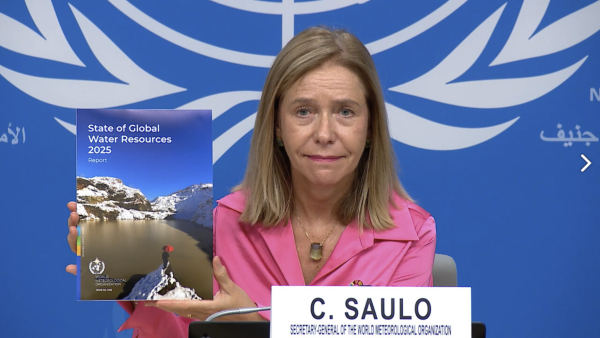
As world’s water reserves change, countries must prepare for a new reality: WMO
New data showing that rivers were at their lowest level for decades last year provides further evidence that the climate crisis is real and countries must act immediately to protect themselves from the increasing threat to communities and livelihoods, the UN World Meteorological Organization (WMO) said on Thursday.
The key findings from WMO’s State of Global Water Resources 2025 report covering the hydrological cycle and extreme events in the five-year period to last year:
- 2025 was one of driest years for river discharge in 35 years
- Past seven years have seen abnorfmal river flows
- Water storage on Earth’s land surface has decreased in past decade
- Widespread glacier loss across all regions for fourth consecutive year
- Asia and Africa are regions most affected by water-related disasters
- Water data availability has improved, but gaps remain in hard-hit areas
Highlighting the long-term decline in the Earth’s freshwater storage and glacier melt, WMO Secretary-General Celeste Saulo explained that the planet’s water reserves used to act as a planetary “savings account” that absorbed the occasional dry season, avoiding a water crisis. “One of the central stories of the 2025 report is what is happening to that savings account? And the simple answer is that we are depleting it,” she told journalists in Geneva.
Groundwater reserves are equally stretched and have been in decline since 2014, WMO’s report states, with nearly two-thirds of monitored wells worldwide showing levels lower than the historical norm and indicating a shift “further toward deficit…not recovery”.
“At the same time, we are seeing more water-related disasters,” Ms. Saulo said, while also stressing that the currently strengthening El Niño “will increase the risk of drought in some areas, and flooding in others”.
Glaciers disappearing
In 2025, for the fourth consecutive year, every major glaciated region on Earth lost ice mass, leading to short-term hazards including floods and long-term water insecurity, according to WMO.
Responding to a question about whether the changing global water cycle might have contributed to the deadly Nepal-China flooding disaster, Ms. Saulo explained that melting ice and rock was just one factor in the chain of events that ultimately sent a massive and deadly wall of water and debris downstream on 26 August, killing at least 1,367 people.
“You asked if it could happen again? Absolutely; the problem in this region is that there’s 63,700 glaciers at the last count,” she told a Press Conference in Geneva. “Even if you’re looking with remote sensing with satellites at these glaciers, you might see some faults, you might see some slight shifting, that does not mean necessarily catastrophic collapse. So, in order to plan for this, it’s very, very difficult. But the international community is looking very hard at ways in which we can bring people together to solve some of these monitoring issues.”
Data indicates that glaciers shrank between 2023 and 2025 with cumulative losses of 1,400 gigatonnes of water – or about one third of annual fresh water needs.
Every major glacier region on Earth lost ice for the fourth consecutive year.
“All 19 glacier regions around the globe lost ice; in Central Asia, Iceland, the Russian Arctic and western Canada and the United States, it was among the three worst years on record,” said Wayne Jenkinson, WMO’s Director of Hydrology and Cryosphere.
Some regions with smaller glaciers such as Central Europe, the Caucasus, the western Canada and the United States may already have reached “peak water”, Mr. Jenkinson warned.
“After this point, the glacier gives less meltwater each year simply because there is less ice left to melt. That matters for every community downstream that relies on water during hot, dry summers,” he explained.
Narelle van der Wel, WMO’s Head of Cryosphere Monitoring, Predictions and Services, stressed that while some further glacier loss is unavoidable, the eventual scale of the decline is not predetermined.
“Some glacier loss is inevitable, but total loss of glaciers is not yet inevitable,” she said, pointing to emissions reductions as central to limiting future losses.
Preparing for moving baselines
The report does not attribute every observed change to climate change alone. WMO says pressure on water resources and natural variability also contribute.
Mr. Jenkinson said governments need to prepare for “moving baselines” as historical patterns become less reliable.
“The situation 30 years ago is not where we are today,” he said. Countries, he added, need to prepare “for those changes that have really already arrived”.
ends
1
1
1
Edited News | OCHA , WHO
The deadly Ebola virus outbreak in DR Congo continues to spread across the vast country despite some success in containing it, aid officials said on Tuesday, in a renewed call for international support to help responders on the ground.
2
1
2
Press Conferences , Edited News | WFP
‘Super El Niño’ and converging crises worsen hunger in South Sudan and across the region - WFP
South Sudan’s hunger crisis is becoming increasingly catastrophic as violence, extreme weather and dwindling aid leave millions without enough food, the UN World Food Programme (WFP) warned on Tuesday.
1
1
1
Edited News | UN WOMEN
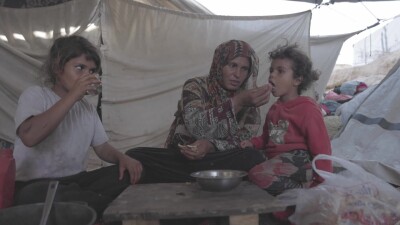
In war-torn Gaza, a growing number of women-headed households face “impossible decisions” every day, amid ongoing Israeli airstrikes and still-scarce resources, UN humanitarians said on Tuesday.
1
1
1
Edited News | OHCHR , UNOG
UN Human Rights Chief Volker Türk made the following remarks to the Enhanced Interactive Dialogue on the Independent Investigative Mechanism for Myanmar at the 63rd Human Rights Council.
1
Edited News | OHCHR , UNOG
UN Human Rights Chief Volker Türk today delivered an update on the global human rights situation to the 63rdsession of the Human Rights Council in Geneva.

1
1
1
Edited News | WHO
Repeated attacks on humanitarian warehouses put vital medical aid at risk in Ukraine - WHO
A new airstrike overnight damaged one of the main warehouses used by the UN health agency to store humanitarian medical supplies in the Kyiv region, the World Health Organization (WHO) said on Friday. This is the third attack to affect a WHO-used storage in the last three months.
2
2
2
Press Conferences , Edited News | WMO
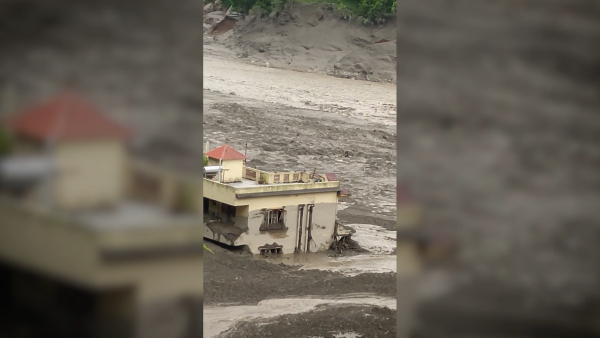
Powerful El Niño heightens extreme-weather risks through 2027, as countries brace for impact - WMO
Fuelled by extraordinarily warm waters across the tropical Pacific Ocean, the El Niño climate pattern is expected to intensify in the coming months. Forecasters are almost certain that it will persist through February next year, with unusually warm conditions expected across the globe.
1
1
1
Edited News | OCHA , IFRC , UN WOMEN , WHO
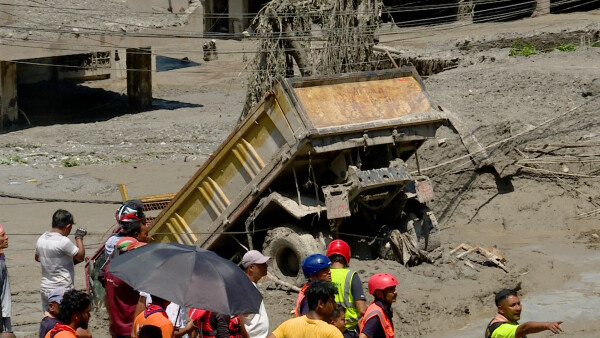
Nepal flood deaths near 1,000 as those spared struggle to survive – UN humanitarians
With the death toll in Nepal’s catastrophic flash floods inching towards 1,000, rescue workers are facing harsh conditions while survivors lack access to food, safe water and health care, humanitarians said on Tuesday.
1
1
1
Edited News | OCHA , UNDRR , IFRC , WHO
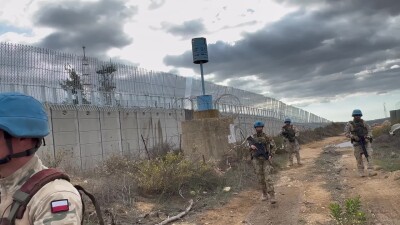
Nepal: Flooding disaster “not over” as humanitarians work around the clock
While search and rescue efforts continued Friday following flash floods and mudslides in northern Nepal, UN humanitarians are taking stock of the devastation amid concerns over more flooding to come.
1
1
1
Edited News | UNIFIL
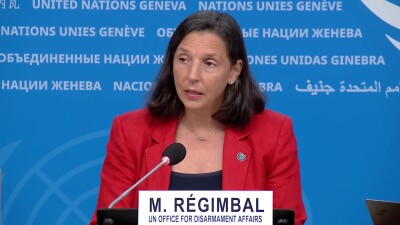
Damaged roads, disrupted services and renewed military activity are putting civilians at risk in south Lebanon, UN Interim Force in Lebanon (UNIFIL) warns.
The UN peacekeeping mission is urging restraint and renewed political engagement to prevent further escalation.
1
1
1
Edited News | ICRC , UNODA
Amid unconfirmed reports that fully autonomous and AI-guided drones are now being used on the battlefield, UN chief António Guterres and the President of the Red Cross on Tuesday renewed their urgent call for stricter controls, before it is too late.