

The United Nations Office at Geneva
Multimedia Newsroom
As the drought at the Horn of Africa enters a sixth failed rainy season, the UN Refugee Agency (UNHCR) on Tuesday called for urgent assistance to help millions of displaced people from Somalia, Ethiopia and Kenya who struggle to survive amid scarce water sources, hunger, insecurity and conflict.
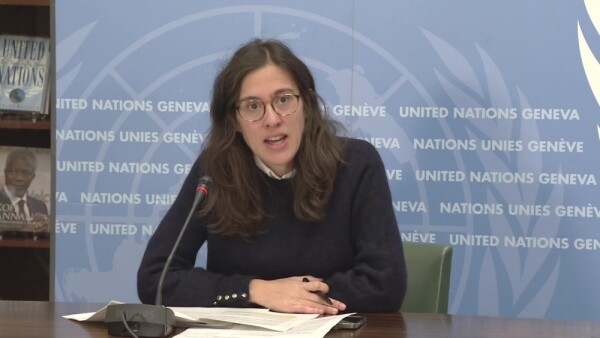
“With no immediate end in sight to one of the longest and most severe droughts on record, UNHCR is appealing for $137 million to provide life-saving aid to 3.3 million refugees and internally displaced people who have been forced to flee their homes in search of safety and assistance, as well as affected local host communities,” said Olga Sarrado, UNHCR’s spokesperson at a briefing at the United Nations in Geneva.
Due to a scaling up of the humanitarian response, famine has so far been averted in Somalia, but people continue to battle life-threatening food and water shortage resulting from massive losses of harvest, livestock, and income, Ms. Sarrado explained. Local commodity prices have also remained at an all-time high and are out of reach for many.
“The dangerous confluence of conflict and climate in the region is worsening an already dire humanitarian situation,” said Ms. Sarrado. “As a result, hundreds of thousands of people have been uprooted from their homes in search of safety and assistance.”
According to UNHCR data, over 1.7 million people have been internally displaced in Ethiopia and Somalia due to the drought, the majority of them last year. In addition, more than 180,000 refugees from Somalia and South Sudan crossed into drought-affected areas of Kenya and Ethiopia.
“In Somalia alone, since the start of the year, over 287.000 people have been internally displaced due to conflict and drought,” said Ms. Sarrado. “Due to space constraints, for instance in Kenya’s Dadaab camps, arriving refugees seeking relief from this climate catastrophe have been forced to reside along the outskirts of the camps where assistance is limited.”
As drought and insecurity persists in 2023, humanitarian needs are expected to continue to rise.
UNHCR highlights that IPC Phase 5 - the highest phase of the IPC Acute Food Insecurity scale - has already been reached for some of the people. This is the case when at least 20 per cent of households face an extreme lack of food, and at least 30 per cent of children suffer from acute malnutrition.
According to UNHCR’s Ms. Sarrado, “over 8.3 million Somalis are expected to face high levels of acute food insecurity between January and March 2023, so just another month to go, including 322,000 in catastrophe IPC phase 5”.
In terms of protection, UNHCR is concerned about the challenging situation for the most vulnerable, which includes women and children who make up 80 per cent of those displaced.
“Both women and children, they have to walk long distances to access water and shelter, and they are most of the time arriving on their own and this of course increases the exposure to gender-based violence,” said Ms. Sarrado. “Also, we know that many children have been forced to drop school to help their family’s income.”
UNHCR plans to support health facilities to step up nutritional assistance for women and children with high-nutrient feeding and medical treatment for diseases. Water supplies will be increased through water trucking and drilling additional boreholes. Cash assistance will be prioritized for the most vulnerable so that they can supplement their food needs and encourage traders to make food and other necessities available.
-ends –
STORY: Horn of Africa drought – UNHCR
TRT: 2:18 mins
SOURCE: UNTV CH
RESTRICTIONS: NONE
LANGUAGE: ENGLISH/NATS
ASPECT RATIO: 16:9
DATELINE: 28 February 2023 GENEVA, SWITZERLAND
SHOTLIST
- Medium shot, UN Geneva flag alley.
- Wide shot, press room with moderator and screens displaying speakers.
- SOUNDBITE (ENGLISH) – Olga Sarrado, Spokesperson for the UN Refugee Agency (UNHCR): “With no immediate end in sight to one of the longest and most severe droughts on record, UNHCR, the UN Refugee Agency, is appealing for US$ 137 million to provide life-saving aid to 3.3 million refugees and internally displaced people who have been forced to flee their homes in search of safety and assistance, as well as affected local host communities.”
- Medium shot, Olga Sarrado speaking from the podium
- SOUNDBITE (ENGLISH) - Olga Sarrado, Spokesperson for the UN Refugee Agency (UNHCR): “The dangerous confluence of conflict and climate in the region is worsening an already dire humanitarian situation. As a result, hundreds of thousands of people have been uprooted from their homes in search of safety and assistance.”
- Close up, journalist listening
- SOUNDBITE (ENGLISH) - Olga Sarrado, Spokesperson for the UN Refugee Agency (UNHCR): “In Somalia alone, since the start of the year, over 287,000 people have been internally displaced due to conflict and drought. Due to space constraints, for instance in Kenya’s Dadaab camps, arriving refugees seeking relief from this climate catastrophe have been forced to reside along the outskirts of the camps where assistance is limited.”
- Close up, laptop screen with participants on Zoom
- SOUNDBITE (ENGLISH) - Olga Sarrado, Spokesperson for the UN Refugee Agency (UNHCR): “Over 8.3 million Somalis are expected to face high levels of acute food insecurity between January and March 2023, so just another month to go, including 322,000 in catastrophe IPC phase 5.”
- Close up, camerawoman filming
- SOUNDBITE (ENGLISH) - Olga Sarrado, Spokesperson for the UN Refugee Agency (UNHCR): “Both women and children they have to walk long distances to access water and shelter and they are most of the time arriving on their own and this of course increases the exposure to gender based violence. And also we know that many children have been forced to drop school to help their families income”.
- Medium shot, journalists working at their laptops with Olga Sarrado in the background speaking from the podium
- Medium shot, UN technical staff managing Zoom meeting
- Close up, hand taking notes on paper
Similar Stories
1
2
1
Edited News | UN
Sudan war: Peace efforts resume to end ‘drone war’ fuelling humanitarian crisis
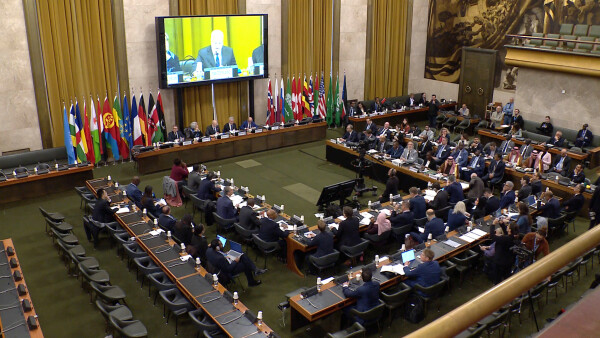
Talks to halt the fighting in Sudan and alleviate the humanitarian crisis there continued in Geneva on Wednesday, where nearly two dozen countries convened to discuss a pathway to a ceasefire and transition to peaceful governance that represents all Sudanese people.
1
1
1
Edited News , B-roll , Conferences | UNITED NATIONS , UNOG
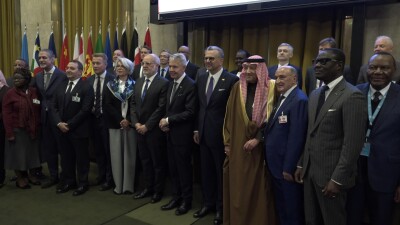
Arrivals, roundtable and family photo-op at the 6th Consultative Meeting on Enhancing Coordination of Peace Initiatives and Efforts in Sudan
1
1
1
Edited News | UNICEF , WHO , UNHCR
Yemen war continues to force families from homes amid hunger and disease
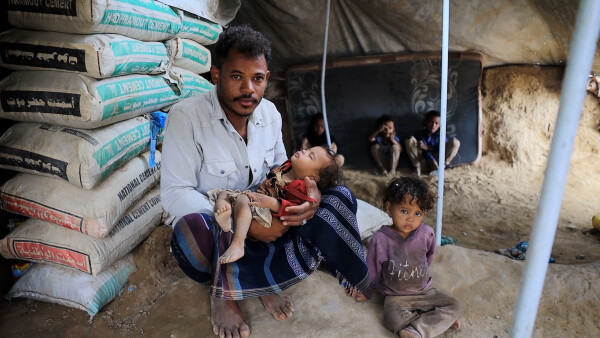
More than 250,000 people have now fled renewed fighting in Yemen, the UN said on Tuesday, citing particular concern for those sheltering in the southwestern city of Taiz and the wider governorate, where access is “essentially blocked”.

1
1
1
Edited News | UNICEF
A little over one year since a ceasefire agreement was announced between Hamas fighters and Israel, more than 340 children have been reported killed and hundreds more injured, the UN Children’s Fund, UNICEF, said on Friday.

1
1
1
Edited News | UNICEF , IFRC
Six weeks after Nepal’s deadly flooding disaster, communities are still struggling to rebuild their lives, but they will need sustained help as global warming increases the risk of another Himalayan catastrophe, the UN Children’s Fund (UNICEF) said on Friday.

1
1
1
Edited News | WHO
In suspected Russia plague death, testing and monitoring underway – WHO
The death of a lab worker in Russia’s Siberia region has sparked concerns about plague being the cause, the UN World Health Organization (WHO) said on Tuesday, adding that it was following the situation closely.

1
1
Edited News | OHCHR , UNOG
UN Human Rights Chief Volker Türk on Friday provided and oral update to the 63rd session of the Human rights Council on Ukraine.

1
1
1
Edited News | OHCHR , UNOG
UN Human Rights Chief Volker Türk on Friday provided and oral update to the 63rd session of the Human rights Council on the human rights situation in Haiti.

1
1
1
Edited News | WHO
Repeated delays in bringing lifesaving medicines, prosthetics and more from Israel into Gaza risk having devastating consequences on Palestinians who urgently need them in the wartorn enclave, the UN World Health Organization (WHO) said on Friday. “A truck full of non-priority supplies or the right supplies arriving too late, doesn't save lives. That's the question that actually matters," said Dr Reinhilde Van De Weerdt, WHO Representative in the OPT.

1
1
1
Edited News | WHO
DRC: Early access to care and oxygen decisive for Ebola patients’ survival – WHO
In the Democratic Republic of the Congo (DRC), health workers fighting the country’s largest-ever Ebola outbreak are struggling to overcome critical challenges to patient care, the UN World Health Organization (WHO) warned on Tuesday.

1
1
1
Edited News | OCHA , UN
Civilians in Iran are continuing to feel the consequences of months of conflict and military escalation, the UN’s top official in the country has said, as loss of life, damage to civilian infrastructure and mounting economic pressures leave many facing continued uncertainty.
1
1
1
Edited News | WHO , UNICEF
Aid agencies in Yemen highlighted the growing hunger emergency sparked by renewed fighting between Houthi opposition forces and Government troops, after mobile health clinics reported that hundreds of children displaced by the violence are suffering from the most deadly form of malnutrition.