

The United Nations Office at Geneva
Multimedia Newsroom
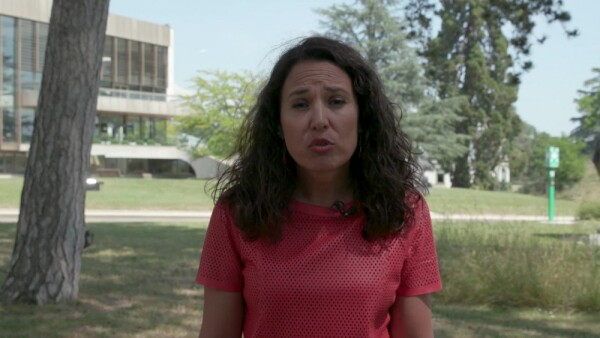
UN Human Rights spokesperson Marta Hurtado made the following statement on El Salvador (available in EN and SP):
“We recognise the complex challenge El Salvador faces in tackling criminality, as well as the grave suffering inflicted by the country’s gangs.”
The gangs have murdered, raped, robbed and extorted the population for decades.
“However, weakening the rule of law and the integrity of the legal system by derogating from fair trial rights is not the answer.”
“At least 68,000 people have been jailed in El Salvador since the state of emergency came into force. Of these, at least 1,600 people are under 18 years of age.”
“According to a recent report by a leading NGO (Cristosal), at least 153 inmates have died in prison since the state of emergency was implemented – nearly half of them violently.”
“Civil society groups doing human rights work and media outlets continue to face risks and attacks.”
In 2022, civil society organizations documented 182 incidents of human rights defenders and journalists being targeted. On 14 April this year, El Faro, an online news outlet, announced that it was moving its staff from El Salvador to Costa Rica, citing the intimidation and smear campaigns they faced because of their work.
“We call on the authorities to lift the state of emergency and review the measures they have introduced. We also call on the authorities to immediately investigate all deaths in custody in line with international standards, to hold those responsible to account, and to guarantee justice and redress for the victims’ family.”
Script in Spanish:
“La reiterada prórroga del estado de excepción en El Salvador -que ya lleva en vigor desde marzo de 2022- es muy preocupante, sobre todo por las consecuencias que tiene para los derechos humanos de las personas.”
“Reconocemos el complejo reto al que se enfrenta El Salvador para hacer frente a la delincuencia, sin embargo, debilitar el Estado de derecho y la integridad del sistema legal derogando el derecho a un juicio justo no es la respuesta.”
Al menos 68.000 personas han sido encarceladas en El Salvador desde que entró en vigor el estado de excepción. De ellas, al menos 1.600 son menores de 18 años.
Según un informe reciente de una destacada ONG al menos 153 reclusos han muerto en prisión desde que se implantó el estado de excepción, casi la mitad de ellos de forma violenta.
Los grupos de la sociedad civil que trabajan en favor de los derechos humanos y los medios de comunicación siguen sufriendo riesgos y ataques.
“Pedimos a las autoridades que levanten el estado de excepción y revisen las medidas que han introducido. También pedimos a las autoridades que investiguen de inmediato todas las muertes bajo custodia conforme a las normas internacionales, que hagan rendir cuentas a los responsables y que garanticen justicia y reparación a los familiares de las víctimas.”
ENDS
For more information and media requests, please contact:
Ravina Shamdasani - + 41 22 917 9169 / ravina.shamdasani@un.org or
Liz Throssell + 41 22 917 9296 / elizabeth.throssell@un.org or
Marta Hurtado - + 41 22 917 9466 / marta.hurtadogomez@un.org
Tag and share
Twitter @UNHumanRights
Facebook unitednationshumanrights
Instagram @unitednationshumanrights
Tag and share - Twitter: @UNHumanRights and Facebook: unitednationshumanrights
- Exterior shot: Palais des Nations
- SOUNDBITE (English)—Marta Hurtado, Spokesperson for the Office of the UN High Commissioner for Human Rights (OHCHR): “The repeated extension of the state of emergency in El Salvador – which has now been in force since March 2022 – is seriously concerning, especially given the consequences for people’s human rights.”
- Cut away: Briefing room
- SOUNDBITE (English)—Marta Hurtado, Spokesperson for the Office of the UN High Commissioner for Human Rights (OHCHR): “However, weakening the rule of law and the integrity of the legal system by derogating from fair trial rights is not the answer.”
- Cut away: Briefing room
- SOUNDBITE (English)—Marta Hurtado, Spokesperson for the Office of the UN High Commissioner for Human Rights (OHCHR): “At least 68,000 people have been jailed in El Salvador since the state of emergency came into force. Of these, at least 1,600 people are under 18 years of age.”
- Cut away: Briefing room
- SOUNDBITE (English)—Marta Hurtado, Spokesperson for the Office of the UN High Commissioner for Human Rights (OHCHR): “According to a recent report by a leading NGO (Cristosal), at least 153 inmates have died in prison since the state of emergency was implemented – nearly half of them violently.”
- Cut away: Briefing room
- SOUNDBITE (English)—Marta Hurtado, Spokesperson for the Office of the UN High Commissioner for Human Rights (OHCHR): “Civil society groups doing human rights work and media outlets continue to face risks and attacks.”
- Cut away: Briefing room.
- SOUNDBITE (English)—Marta Hurtado, Spokesperson for the Office of the UN High Commissioner for Human Rights (OHCHR): “We call on the authorities to lift the state of emergency and review the measures they have introduced. We also call on the authorities to immediately investigate all deaths in custody in line with international standards, to hold those responsible to account, and to guarantee justice and redress for the victims’ family.”
- Exterior shot : Palais des Nations
- SOUNDBITES (Spanish)—Marta Hurtado, Spokesperson for the Office of the UN High Commissioner for Human Rights (OHCHR): “La reiterada prórroga del estado de excepción en El Salvador -que ya lleva en vigor desde marzo de 2022- es muy preocupante, sobre todo por las consecuencias que tiene para los derechos humanos de las personas.
- Reconocemos el complejo reto al que se enfrenta El Salvador para hacer frente a la delincuencia, sin embargo, debilitar el Estado de derecho y la integridad del sistema legal derogando el derecho a un juicio justo no es la respuesta.
- Al menos 68.000 personas han sido encarceladas en El Salvador desde que entró en vigor el estado de excepción. De ellas, al menos 1.600 son menores de 18 años.
- Según un informe reciente de una destacada ONG al menos 153 reclusos han muerto en prisión desde que se implantó el estado de excepción, casi la mitad de ellos de forma violenta.
- Los grupos de la sociedad civil que trabajan en favor de los derechos humanos y los medios de comunicación siguen sufriendo riesgos y ataques.
- Pedimos a las autoridades que levanten el estado de excepción y revisen las medidas que han introducido. También pedimos a las autoridades que investiguen de inmediato todas las muertes bajo custodia conforme a las normas internacionales, que hagan rendir cuentas a los responsables y que garanticen justicia y reparación a los familiares de las víctimas.”
Similar Stories
1
12
1
1
Press Conferences , Images | UNOG
Closing Press Conference following the Sixth Consultative Meeting on Enhancing Coordination of Peace Initiatives and Efforts in Sudan

2
17
1
2
Edited News , Press Conferences | OCHA , WMO
Two UN agencies teamed up on Wednesday to issue an appeal for immediate assistance to help communities already being impacted by the strongest El Niño on record.

3
16
2
2
B-roll , Conferences , Edited News | UNITED NATIONS , UNOG
Sixth Consultative Meeting on Enhancing Coordination of Peace Initiatives and Efforts for Sudan
1
1
1
Press Conferences | CITES
Wildlife trade and conservation policy discussions at the 81st meeting of the CITES Standing Committee (SC81)

1
1
1
Edited News | UNICEF , WHO , UNHCR
Yemen war continues to force families from homes amid hunger and disease
More than 250,000 people have now fled renewed fighting in Yemen, the UN said on Tuesday, citing particular concern for those sheltering in the southwestern city of Taiz and the wider governorate, where access is “essentially blocked”.
1
1
1
Press Conferences | UNHCR , UNCTAD , WMO , OCHA , UNICEF , WHO
UNHCR Hungary’s 1956 Refugee Crisis: 70 Years On, UNCTAD World Investment Forum 2026, Doha, WMO Greenhouse Gas Bulletin and Climate Update for COP31, OCHA Afghanistan: Malnutrition, Girls’ Education and Recovery, UNICEF Yemen: Child Malnutrition and Unsafe Water in Taiz, WHO Inequalities in Noncommunicable Diseases and Risk Factors
1
1
1
Press Conferences | UNHCR
End of UNHCR's 77th Annual Executive Committee (ExCom) meeting week

1
1
1
Edited News | UNICEF
A little over one year since a ceasefire agreement was announced between Hamas fighters and Israel, more than 340 children have been reported killed and hundreds more injured, the UN Children’s Fund, UNICEF, said on Friday.
1
1
1
Press Conferences | UNICEF , IOM , UNHCR
UN Special Assistant to the Personal Envoy Office (SUDAN): Peace Initiatives and Efforts in Sudan; UNICEF: Dire situation of children in Gaza; IOM: Damaged Homes and Energy Attacks Risk Displacing Ukrainians for this winter; UNHCR: update on EXCOM week
1
1
1
Press Conferences | IOM , UNDRR
UN stresses importance of household preparedness for disaster risk reduction.

1
1
1
Edited News | UNICEF , IFRC
Six weeks after Nepal’s deadly flooding disaster, communities are still struggling to rebuild their lives, but they will need sustained help as global warming increases the risk of another Himalayan catastrophe, the UN Children’s Fund (UNICEF) said on Friday.
1
1
1
Statements , Press Conferences | OHCHR