

The United Nations Office at Geneva
Multimedia Newsroom
The UN Children’s Fund, UNICEF, issued an urgent appeal for nearly $59 million on Friday to halt the rapid spread of mpox in six African countries including Burundi, where youngsters have been impacted the most.
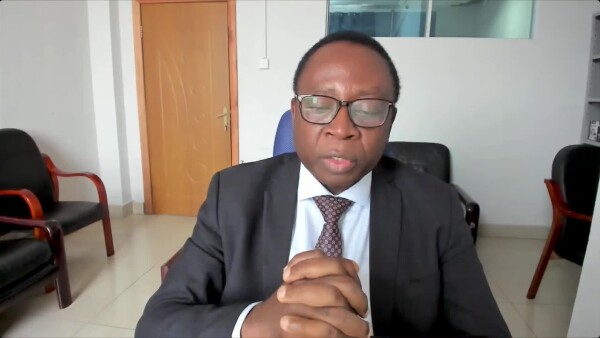
“Children in Burundi are bearing the brunt of the mpox outbreak with alarming rates of infection and health impacts,” said Dr Paul Ngwakum, UNICEF Regional Health Advisor for Eastern and Southern Africa. “Of the nearly 600 reported cases, two-thirds are children under 19 years old and the situation is escalating really rapidly with more than [a] 40 per cent increase in cases over the last three weeks.”
To date in Burundi there have been no reported deaths from mpox.
The UNICEF official insisted that with funding and prompt action, “we have an opportunity to end this outbreak in a very short time period because the geographical area is kind of limited and with concerted effort from all partners, I think, we can limit the spread; we can contain the virus so we can stop the outbreak without any loss of life”.
Following the start of the school year earlier this week in Burundi, the UN agency remains concerned about the rise of mpox among children under five years of age, who represent 30 per cent of reported cases. To help teachers and parents understand the risks and minimize disruption, the UN agency has supported the education authorities to implement health measures in schools, train staff to recognize early symptoms of mpox and reinforce hand hygiene.
“Make no mistake, we don’t have all the answers. No one does. This is a rapidly evolving situation, with a new, infectious strain, and we are learning more every day about different modes of transmission. And with more information, we update our messaging and our response,” said Dr Ngwakum.
The UNICEF appeal will also provide mental health support for parents and frontline workers who may face hostility from some communities in part because of the association of mpox with sex, which is responsible for some transmission – but by no means all of it.
“Sex in Africa is not something that is spoken of on a daily basis. And if they think you are having a sexually transmitted disease, it stigmatizes you as well,” explained Dr Ngwakum. “We try to explain that this is not the case. Most children have it from body-to-body contact or contact with animals or contact with infected materials, which is not having anything to do with human-to-human sexual contamination.”
Communities also remain fearful of a repeat of previous serious health outbreaks such as Ebola or COVID-19, “so there is an important role we are playing to dispel myths, and calm fears”, the UNICEF official explained.
Highlighting the stark contrast between the high number of suspected deaths from mpox in DRC and Burundi, Dr Margaret Harris from the UN World Health Organization (WHO) explained that this was likely owing to the longstanding humanitarian emergency in eastern DRC.
“Many of the children whom we've seen horribly, sadly die in the Democratic Republic of Congo were very immuno-suppressed through being severely malnourished and having suffered the effects of conflict and perhaps also having other diseases at the same time,” she told journalists in Geneva.
Story: Mpox update Burundi, DRC - UNICEF, WHO
Speakers:
- Dr Paul Ngwakum, UNICEF’s Regional Health Advisor for Eastern and Southern Africa (From Bujumbura)
- Dr Margaret Harris, WHO spokesperson
TRT: 02’56”
SOURCE: UNTV CH
LANGUAGE: ENGLISH / NATS
ASPECT RATIO: 16:9
DATELINE: 20 September 2024 - GENEVA, SWITZERLAND
RESTRICTIONS: None
SHOTLIST
- Exterior medium shot: UN flag alley.
- Wide shot of the UN Geneva Press room.
- SOUNDBITE (English) Dr Paul Ngwakum, UNICEF’s Regional Health Advisor for Eastern and Southern Africa (from Bujumbura): “Children in Burundi are bearing the brunt of the mpox outbreak with alarming rates of infection and health impacts. Of the nearly 600 reported cases, two-thirds are children under 19 years old and the situation is escalating really rapidly with more than 40 per cent increase in cases over the last three weeks.”
- Medium shot of Press room and participants.
- SOUNDBITE (English) Dr Paul Ngwakum, UNICEF’s Regional Health Advisor for Eastern and Southern Africa (from Bujumbura): “We have an opportunity to end this outbreak in a very short time period because the geographical area is kind of limited and with concerted effort from all partners, I think, we can limit the spread, we can contain the virus so we can stop the outbreak without any loss of life.”
- Wide shot, Press room.
- SOUNDBITE (English) Dr Paul Ngwakum, UNICEF’s Regional Health Advisor for Eastern and Southern Africa (from Bujumbura): “UNICEF is urgently appealing for $58.8 million to scale up its response across six African countries with Burundi included. In these countries, children are most affected. These funds are essential to stop the transmission of mpox, protect children and maintain critical essential services.”
- Medium-wide, Press room.
- SOUNDBITE (English) Dr Paul Ngwakum, UNICEF’s Regional Health Advisor for Eastern and Southern Africa (from Bujumbura): “Thirty per cent are children less than five years. And if you look at the data in the DRC, it’s the same pattern. So, this outbreak is more, more severe or affects mostly, children.”
- Medium-wide, Press room and podium.
- SOUNDBITE: Dr Margaret Harris, WHO spokesperson: “The three countries reporting the most suspected mpox cases in 2024 are the Democratic Republic of Congo, with 21,835 suspected cases and 717 deaths; in Burundi we have 14,089 suspected cases and no deaths reported, and in Nigeria we have 935 suspected cases and no deaths reported.”
- Medium-wide, Press room and podium.
- SOUNDBITE: Dr Margaret Harris, WHO spokesperson: “Many of the children whom we've seen horribly, sadly die in the Democratic Republic of Congo were very immuno-suppressed through being severely malnourished and having suffered the effects of conflict and perhaps also having other diseases at the same time.”
- Medium, journalists, participants.
- Wide, Press room, participants and control booths.
- Medium, journalists.
Similar Stories

1
1
1
Edited News | OCHA , UNICEF , WFP
Aid agencies warned on Friday of the fast-developing humanitarian emergency inside Taiz City in Yemen, which has been encircled by de facto Houthi forces fighting government troops along the country’s west coast.

2
17
1
2
Edited News , Press Conferences , Images | OCHA , WMO
Two UN agencies teamed up on Wednesday to issue an appeal for immediate assistance to help communities already being impacted by the strongest El Niño on record.

3
16
2
2
Edited News , B-roll , Conferences , Images | UNITED NATIONS , UNOG
Sixth Consultative Meeting on Enhancing Coordination of Peace Initiatives and Efforts for Sudan

1
1
1
Edited News | UNICEF , WHO , UNHCR
Yemen war continues to force families from homes amid hunger and disease
More than 250,000 people have now fled renewed fighting in Yemen, the UN said on Tuesday, citing particular concern for those sheltering in the southwestern city of Taiz and the wider governorate, where access is “essentially blocked”.

1
1
1
Edited News | UNICEF
A little over one year since a ceasefire agreement was announced between Hamas fighters and Israel, more than 340 children have been reported killed and hundreds more injured, the UN Children’s Fund, UNICEF, said on Friday.

1
1
1
Edited News | UNICEF , IFRC
Six weeks after Nepal’s deadly flooding disaster, communities are still struggling to rebuild their lives, but they will need sustained help as global warming increases the risk of another Himalayan catastrophe, the UN Children’s Fund (UNICEF) said on Friday.

1
1
1
Edited News | WHO
In suspected Russia plague death, testing and monitoring underway – WHO
The death of a lab worker in Russia’s Siberia region has sparked concerns about plague being the cause, the UN World Health Organization (WHO) said on Tuesday, adding that it was following the situation closely.

1
1
Edited News | OHCHR , UNOG
UN Human Rights Chief Volker Türk on Friday provided and oral update to the 63rd session of the Human rights Council on Ukraine.

1
1
1
Edited News | OHCHR , UNOG
UN Human Rights Chief Volker Türk on Friday provided and oral update to the 63rd session of the Human rights Council on the human rights situation in Haiti.

1
1
1
Edited News | WHO
Repeated delays in bringing lifesaving medicines, prosthetics and more from Israel into Gaza risk having devastating consequences on Palestinians who urgently need them in the wartorn enclave, the UN World Health Organization (WHO) said on Friday. “A truck full of non-priority supplies or the right supplies arriving too late, doesn't save lives. That's the question that actually matters," said Dr Reinhilde Van De Weerdt, WHO Representative in the OPT.

1
1
1
Edited News | WHO
DRC: Early access to care and oxygen decisive for Ebola patients’ survival – WHO
In the Democratic Republic of the Congo (DRC), health workers fighting the country’s largest-ever Ebola outbreak are struggling to overcome critical challenges to patient care, the UN World Health Organization (WHO) warned on Tuesday.

1
1
1
Edited News | OCHA , UN
Civilians in Iran are continuing to feel the consequences of months of conflict and military escalation, the UN’s top official in the country has said, as loss of life, damage to civilian infrastructure and mounting economic pressures leave many facing continued uncertainty.