

The United Nations Office at Geneva
Multimedia Newsroom
Urgent global action needed to end harmful practices against women and girls, says the United Nations Population Fund
Urgent action is needed to stop female genital mutilation, child marriage, and other harmful practices to which millions of women and girls are subjected to every year. This according to the UN Population Fund (UNFPA) State of World Population report for 2020.
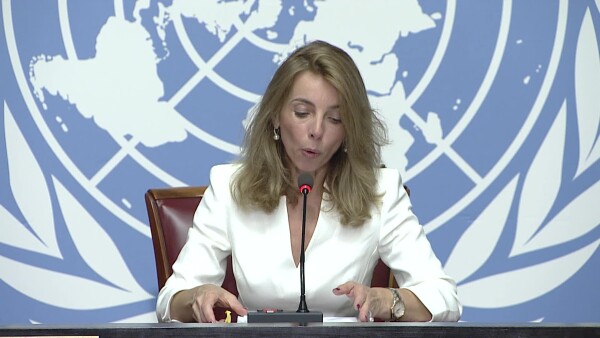
“Our reports cites at least 19 specific practices against girls and women that are most universally been denounced as abused and violations of human rights ranking from breast ironing to virginity testing,” said UNFPA Director Monica at the presentation of the report at the United Nations in Geneva under embargo on Monday.
“It is the first analysis of its kind to show that these practices are grounded in negative attitudes about the value of girls and other means for controlling their bodies and sexuality. It is also groundbreaking in its treatment of harmful practices as a human rights violation,” Ms. Ferro said.
Every day, hundreds of thousands of girls around the world are subjected to practices that harm them physically or psychologically, or both -- with the full knowledge and consent of their families, friends and communities, according to UNFPA.
“Harmful practices against girls they cause profound and lasting trauma, robbing them of their right to reach their potential in life”, Ms. Ferro said. “Harmful practices such as child marriage and female genital mutilation are inflicted on girls by their families and propped up by discrimination and community norms”.
Three widespread practices that cause harm are female genital mutilation, child marriage and the preference for male children.
Female genital mutilation (FGM) is an invasive procedure which entails partial or total removal of female external genitalia or other injury to female genital organs for non-medical reasons. The procedure is mostly carried out on young girls between infancy and age 15.
“This year, for example, 4.1 million girls are at risk of female genital mutilation”, warned the Director of the UNFPA Geneva Office “One in five marriages today is to underage females. One pernicious effect of preferring sons over daughters is a shocking deficit of 140 million females,” she said.
The UNFPA estimates that every day some 33,000 girls under age 18 will be forced into marriage, often to much older men. Also, an extreme preference for sons over daughters in some countries has fueled gender-biased sex selection or extreme neglect that leads to their death as children, resulting in 140 million “missing females”.
“Only equal treatment can bring equal outcomes,” Monica Ferro said. “We have to stop treating girls like commodities, to be treated or objects to be controlled, and afford girls the same rights and opportunities as boys.” “Governments must fulfill their obligations under Human Rights Treaties that require elimination of female genital mutilation and child marriage,” she added.
Countries that ratified international treaties such as the Convention on the Rights of the Child have a duty to end the harm, the report states. Many have responded with laws, but what is needed, UNFPA says, are grassroots approaches to bring change.
”The good news is that the tide is turning”, Ms Ferro said. “More and more people are defined the persistent hold of harmful practices, parliamentarians are passing effective laws, traditional practitioners are putting down their tools, mothers and fathers are choosing to keep their daughters in school. Community leaders are telling friends and neighbors to protect girls from violations of their humanity. The rights, choices and bodies of girls – these are their own”.
While progress has been made in ending some harmful practices worldwide, the Covid-19 pandemic threatens to reverse those gains.
“Covid-19 will also disrupt our efforts to end child marriage, potentially resulting in an additional 13 million child marriages between now and 2030”, Ms. Ferro predicted.
“We also know that as the Covid pandemic rages on, the number of women unable to access family planning facing unwanted pregnancies, gender-based violence and other harmful practices could skyrocket in the months ahead. We cannot slow down the pace”, she concluded.
- Wide shot: exterior, UN Geneva flag alley.
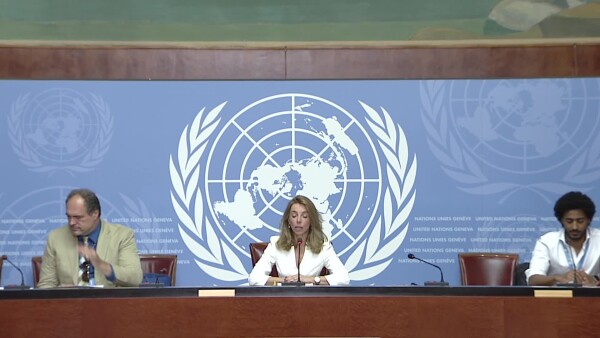
- Wide shot, Podium Press room, UN Geneva
- SOUNDBITE (EN) – Monica Ferro, UNFPA Geneva Director: “Our reports cites at least 19 specific practices against girls and women that are most universally been denounced as abused and violations of human rights ranking from breast ironing to virginity testing. It is the first analysis of its kind to show that these practices are grounded in negative attitudes about the value of girls and other means for controlling their bodies and sexuality. It is also groundbreaking in its treatment of harmful practices as a human rights violation”.
- Medium shot: Podium and screen behind
- SOUNDBITE (EN) - Monica Ferro, UNFPA Geneva Director: “Harmful practices against girls they cause profound and lasting trauma, robbing them of their right to reach their potential in life. Harmful practices such as child marriage and female genital mutilation are inflicted on girls by their families and propped up by discrimination and community norms”.
- Medium shot: Journalist
- SOUNDBITE (EN) - Monica Ferro, UNFPA Geneva Director: “This year, for example, 4.1 million girls are at risk of female genital mutilation. One in five marriages today is to underage females. One pernicious effect of preferring sons over daughters is a shocking deficit of 140 million females”.
- Medium shot: Podium with speaker
- SOUNDBITE (EN) – Monica Ferro, UNFPA Geneva Director: “Only equal treatment can bring equal outcomes. We have to stop treating girls like commodities, to be treated or objects to be controlled, and afford girls the same rights and opportunities as boys”.
- Wide shot: Press room
- SOUNDBITE (EN) – Monica Ferro, UNFPA Geneva Director:“Governments must fulfill their obligations under Human Rights Treaties that require elimination of female genital mutilation and child marriage”.
- Wide shot: UN Palace, Entrance Pregny
- SOUNDBITE (EN) – Monica Ferro, UNFPA Geneva Director:” The good news is that the tide is turning. More and more people are defined the persistent hold of harmful practices, parliamentarians are passing effective laws, traditional practitioners are putting down their tools, mothers and fathers are choosing to keep their daughters in school. Community leaders are telling friends and neighbors to protect girls from violations of their humanity. The rights, choices and bodies of girls – these are their own”.
- Wide shot, Place des Nations with broken chair and UN building behind
- SOUNDBITE (EN) – Monica Ferro, UNFPA Geneva Director:” Covid-19 will also disrupt our efforts to end child marriage, potentially resulting in an additional 13 million child marriages between now and 2030. And we also know that as the Covid pandemic rages on, the number of women unable to access family planning facing unwanted pregnancies, gender-based violence and other harmful practices could skyrocket in the months ahead. We cannot slow down the pace”.
- Medium shot, UN Palace
Similar Stories
1
1
1
Edited News | OCHA , UNICEF , WFP
Aid agencies warned on Friday of the fast-developing humanitarian emergency inside Taiz City in Yemen, which has been encircled by de facto Houthi forces fighting government troops along the country’s west coast.

2
17
1
2
Edited News , Press Conferences , Images | OCHA , WMO
Two UN agencies teamed up on Wednesday to issue an appeal for immediate assistance to help communities already being impacted by the strongest El Niño on record.

3
16
2
2
Edited News , B-roll , Conferences , Images | UNITED NATIONS , UNOG
Sixth Consultative Meeting on Enhancing Coordination of Peace Initiatives and Efforts for Sudan

1
1
1
Edited News | UNICEF , WHO , UNHCR
Yemen war continues to force families from homes amid hunger and disease
More than 250,000 people have now fled renewed fighting in Yemen, the UN said on Tuesday, citing particular concern for those sheltering in the southwestern city of Taiz and the wider governorate, where access is “essentially blocked”.

1
1
1
Edited News | UNICEF
A little over one year since a ceasefire agreement was announced between Hamas fighters and Israel, more than 340 children have been reported killed and hundreds more injured, the UN Children’s Fund, UNICEF, said on Friday.

1
1
1
Edited News | UNICEF , IFRC
Six weeks after Nepal’s deadly flooding disaster, communities are still struggling to rebuild their lives, but they will need sustained help as global warming increases the risk of another Himalayan catastrophe, the UN Children’s Fund (UNICEF) said on Friday.

1
1
1
Edited News | WHO
In suspected Russia plague death, testing and monitoring underway – WHO
The death of a lab worker in Russia’s Siberia region has sparked concerns about plague being the cause, the UN World Health Organization (WHO) said on Tuesday, adding that it was following the situation closely.

1
1
Edited News | OHCHR , UNOG
UN Human Rights Chief Volker Türk on Friday provided and oral update to the 63rd session of the Human rights Council on Ukraine.

1
1
1
Edited News | OHCHR , UNOG
UN Human Rights Chief Volker Türk on Friday provided and oral update to the 63rd session of the Human rights Council on the human rights situation in Haiti.

1
1
1
Edited News | WHO
Repeated delays in bringing lifesaving medicines, prosthetics and more from Israel into Gaza risk having devastating consequences on Palestinians who urgently need them in the wartorn enclave, the UN World Health Organization (WHO) said on Friday. “A truck full of non-priority supplies or the right supplies arriving too late, doesn't save lives. That's the question that actually matters," said Dr Reinhilde Van De Weerdt, WHO Representative in the OPT.

1
1
1
Edited News | WHO
DRC: Early access to care and oxygen decisive for Ebola patients’ survival – WHO
In the Democratic Republic of the Congo (DRC), health workers fighting the country’s largest-ever Ebola outbreak are struggling to overcome critical challenges to patient care, the UN World Health Organization (WHO) warned on Tuesday.

1
1
1
Edited News | OCHA , UN
Civilians in Iran are continuing to feel the consequences of months of conflict and military escalation, the UN’s top official in the country has said, as loss of life, damage to civilian infrastructure and mounting economic pressures leave many facing continued uncertainty.