

The United Nations Office at Geneva
Multimedia Newsroom
Subject:
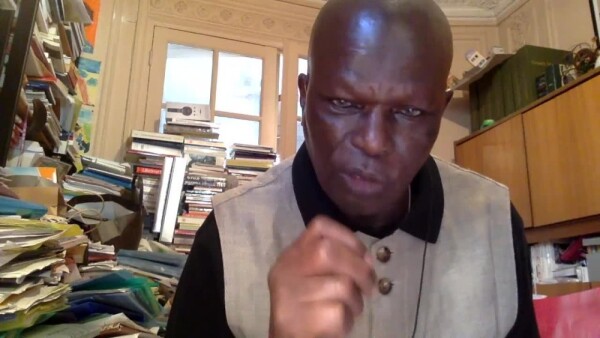
The members of the Commission of Inquiry will present their conclusions and written report on human rights violations committed in Burundi since May 2019 in the context of the electoral process in 2020 and the main risk factors after the 2020 elections.
Speakers:
- Doudou Diène, President of the UN Commission of Inquiry on Burundi
- Françoise Hampson, member of the UN Commission of Inquiry on Burundi
- Lucy Asuagbor, member of the UN Commission of Inquiry on Burundi
B-ROLL: Launch report 2020 UN Commission of Inquiry on Burundi
TRT: 7:44
SOURCE: OHCHR /UN Commission of Inquiry on Burundi
RESTRICTIONS: NONE
LANGUAGE: ENGLISH / NATS
ASPECT RATIO: 16:9
DATELINE: 15 September 2020 GENEVA, SWITZERLAND
SHOTLIST
1. Wide shot, Street Scene Bujumbura, Burundi
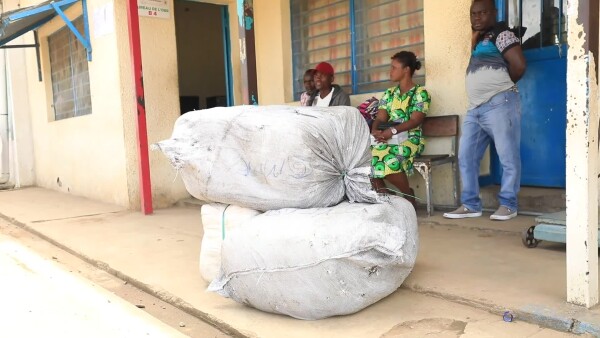
2. Medium shot, people waiting with goods at the Burundi Revenue Authority (Office Burundais des Recettes) in Gatumba, border city to DRC
3. Close up, Bureau de l’OBR (Office Burundais des Recettes)
4. Medium shot, man taking bicycle away, street scene in Gatumba
5. Medium shot, man with bicycle and car with DRC plate passing a security checkpoint entering Burundi, another bicycle passing by
6. Close-up, goods with people waiting
7. Wide shot, people waiting with goods at Burundi Revenue Authority (Office Burundais des Recettes) in Gatumba, border city to DRC, truck passing by, military and police officer walking by
8. Close up, loosening of handcuffs in Mpimba prison in Bujumbura, 2015
9. Close up, hands behind bars in Mpimba prison in Bujumbura, 2015
Footage of election day 20 May 2020:
1. Wide shot, people queuing up to cast their vote (May 2020)
2. Medium shot, voters waiting in line with election card in their hands
3. Wide shot, women waiting to vote
4. Diverse shots, Opposition leader Agathon Rwasa, leader of National Liberation Forces, on voting day (20 May 2020) accompanied by police
5. Diverse shots, Opposition leader Agathon Rwasa casting his vote
6.Wide shot, woman voting in polling station
7. Close up, diverse shots, Opposition leader Agathon Rwasa casting his vote
8. Close up, woman casting vote
9. Close up, electoral list
10. Woman leaving polling booth and casting vote
11. Wide shot, woman voting
12. Electoral Commission ENI swearing in
13. Wide shot, polling station
14. Medium shot, polling station
15. Medium shot, woman waiting
16. Medium shot, woman in polling booth
17. Medium shot, President Évariste Nda¬yishimiye with wife outside polling station
18. Medium shot, President Évariste Nda¬yishimiye with wife in polling station
19. Diverse shots, President Évariste Nda¬yishimiye casting vote
Similar Stories
1
1
1
Press Conferences | WMO , UNHCR , WHO , ILO
WMO: Greenhouse Gas Bulletin; UNHCR: As attacks intensify UNHCR urges support for war ravaged Ukrainians; WHO: Clinical trials in DRC: vaccines and beyond; ILO: New global and regional estimates on domestic work, informality and working conditions
1
1
1
Press Conferences | UN WOMEN , WFP , WHO
UN WOMEN: Sudan Women and girls one year after the fall of El Fasher; increasing drone attacks across the country; WFP: DRC - Ebola spreads to eighth DRC province as WFP delivers food, builds treatment centres and keeps supplies moving; WHO - Update on Ebola (Bundibugyo Virus Disease)
1
12
1
1
Press Conferences , Images | UNOG
Closing Press Conference following the Sixth Consultative Meeting on Enhancing Coordination of Peace Initiatives and Efforts in Sudan

2
17
1
2
Edited News , Press Conferences , Images | OCHA , WMO
Two UN agencies teamed up on Wednesday to issue an appeal for immediate assistance to help communities already being impacted by the strongest El Niño on record.
1
1
1
Press Conferences | CITES
Wildlife trade and conservation policy discussions at the 81st meeting of the CITES Standing Committee (SC81)
1
1
1
Press Conferences | UNHCR , UNCTAD , WMO , OCHA , UNICEF , WHO
UNHCR Hungary’s 1956 Refugee Crisis: 70 Years On, UNCTAD World Investment Forum 2026, Doha, WMO Greenhouse Gas Bulletin and Climate Update for COP31, OCHA Afghanistan: Malnutrition, Girls’ Education and Recovery, UNICEF Yemen: Child Malnutrition and Unsafe Water in Taiz, WHO Inequalities in Noncommunicable Diseases and Risk Factors
1
1
1
Press Conferences | UNHCR
End of UNHCR's 77th Annual Executive Committee (ExCom) meeting week
1
1
1
Press Conferences | UNICEF , IOM , UNHCR
UN Special Assistant to the Personal Envoy Office (SUDAN): Peace Initiatives and Efforts in Sudan; UNICEF: Dire situation of children in Gaza; IOM: Damaged Homes and Energy Attacks Risk Displacing Ukrainians for this winter; UNHCR: update on EXCOM week
1
1
1
Press Conferences | IOM , UNDRR
UN stresses importance of household preparedness for disaster risk reduction.

1
1
1
Statements , Press Conferences | OHCHR
1
1
1
Press Conferences | UNHCR , UNICEF , IFRC , OHCHR , UN WOMEN , IOM , OCHA , WHO
UNHCR – ExCom Meeting, UNICEF – Nepal Recovery, IFRC – Flash Floods, WHO – Mental Health, IOM – South Sudan Floods, OCHA – DRC Humanitarian aid, UNHCR – Sahel Displacement, UNICEF – Yemen Update, IOM – Gaza Shelter, UN Women – Gaza Women, OHCHR – Arrests and detentions of Syrians by Israeli force
2
1
2
Press Conferences | UNCTAD
Presentation of the Trade and Developement Report 2026
Embargoed until 9 October 2026 at 11 a.m. (Geneva Time)
UNCTAD: UNCTAD’s flagship report finds that governments increasingly use industrial, trade, financial and technology policies to pursue economic and national security objectives. Market access and the ability to move into higher-value activities now depend more heavily on technology, finance and geopolitics.