

The United Nations Office at Geneva
Multimedia Newsroom
Tens of thousands of civilians arbitrarily detained in Syria remain “forcibly disappeared” after a decade of conflict, while thousands more have been subject to torture, sexual violence or death in detention, according to the UN Commission of Inquiry on the Syrian Arab Republic.
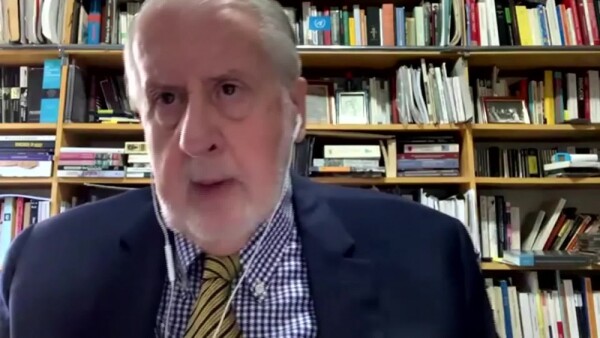
At the launch of their latest report today at the United Nations in Geneva, Hanny Megally, Member of the Independent Commission of Inquiry on the Syrian Arab Republic said that “the first things that emerge from the review is that arbitrary detention was used to punish critics, to punish opponents and it was used by everyone but primarily by the Syrian State and it was used on a massive scale. It was also used to intimidate and to terrorize the population at large.”
Rebel groups including the Free Syrian Army (FSA), Hayat Tahrir al-Sham (HTS) and Islamic State (ISIL) have also unlawfully detained, tortured and executed civilians in custody, the Commission said.
“Torture was systematic by the Government of Syria and also by the Islamic State and by Hayat Tahrir al-Sham”, said Hanny Megally. “It was also used quite often by the other groups. But, but emerges as a systematized approach to torture treatment by those three.”
The fate of tens of thousands of civilians who were forcibly disappeared by Syrian Government forces, many nearly a decade ago, remains unknown. Many are presumed to have died or been executed, while some are believed to be held in inhuman conditions of detention.
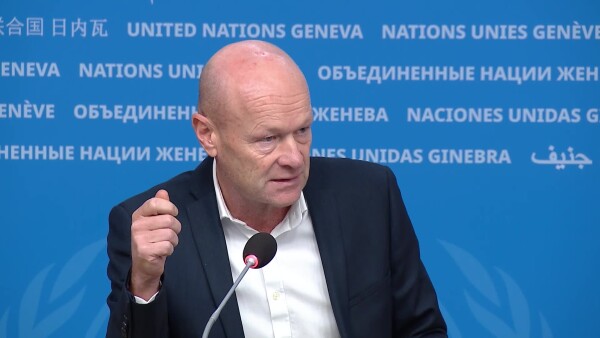
Chief investigator Paulo Pinheiro welcomed a court decision in Koblenz, Germany, last week for sentencing a former member of Assad’s security services to 4-1/2 years in prison for abetting the torture of civilians.
This was the first verdict for crimes against humanity in the 10-year-old Syrian civil war. The judgement is the result of information that the Commission has provided, he said, and which was used as evidence in the Koblenz proceedings.
“I think this is a very important development, the, the decision of Koblenz in Germany. We are very aware that some Member States are acknowledging the universal responsibility for some crimes and for some criminals in Syria”, Pinheiro said.
The report says that mistreatment of detainees held arbitrarily in notorious detention facilities remains rife across the country. It concludes that this has been happening with the knowledge and acquiescence of the governments who have supported the different parties to the conflict, and calls on them to bring an end to the violations.
“These states have an obligation to discourage this, to pressure the parties that are supporting from continuing to torture, to arbitrarily in prison, to kill people in detention, to disappear them, to use sexual and gender-based violence against those in detention etcetera. You know, that’s, you know, they’re supporting, they’re funding, they’re providing arms, and they can’t now say ‘we didn’t know they were doing this”, said Hanny Megally.
The fate of tens of thousands of civilians who were forcibly disappeared by Syrian Government forces, many nearly a decade ago, remains unknown. Many are presumed to have died or been executed, while some are believed to be held in inhuman conditions of detention.
“It’s too late for many, but now we’re pressing hard for people to be released and particularly in the climate of a pandemic as we’ve seen around the world, you know, overcrowded prison conditions that are poor and that lack, that lack hygiene etc. are breeding grounds for this pandemic to spread”, Megally said.
The report finds that the Government of Syria arbitrarily arrested and detained individuals and committed war crimes and crimes against humanity in the context of detention.
“For the Government in particular however these are their own citizens and the failure to take the aforementioned minimal actions are unambiguous grave Human Rights violations and we urge all parties to the conflicts to take these actions regardless of the actions of others”, said Karen Abuzayd, Member of the Independent Commission of Inquiry on the Syrian Arab Republic.
The 30-plus page report based on over 2,500 interviews was conducted over 10 years and investigated into more than 100 specific detention facilities, documents historical and continuing detention-related violations and abuses by nearly every major party that has controlled territory in Syria since 2011.
The Commission’s report is set to be presented on 11 March during an interactive dialogue at the Human Rights Council at the United Nations in Geneva.
- Exterior wide shot, United Nations flag flying.
- SOUNDBITE (English) — Hanny Megally, Member of the Independent Commission of Inquiry on the Syrian Arab Republic: “The first things that emerge from the review is that arbitrary detention was used to punish critics, to punish opponents and it was used by everyone but primarily by the Syrian, by the Syrian State and it was used on a, on a massive scale. It was also used to intimidate and to terrorize the population at large.”
- Exterior wide shot, Palais des Nations entrance, a sunny day.
- SOUNDBITE (English) — Hanny Megally, Member of the Independent Commission of Inquiry on the Syrian Arab Republic: “Torture was systematic by the Government of Syria and also by the Islamic State and by Hayat Tahrir al-Sham. It was also used quite often by the other groups. But, but emerges as a systematized approach to torture treatment by those three.”
- Exterior wide shot, Palais des Nations flag alley and entrance, a car passing.
- SOUNDBITE (English) — Paulo Pinheiro, Chairperson, Independent Commission of Inquiry on the Syrian Arab Republic: “I think this is a very important development, the, the decision of Koblenz in Germany. We are very aware that some Member States are… are acknowledging the universal responsibility for some crimes and for some criminals in Syria.”
- Exterior wide shot, Palais des Nations flag alley and entrance.
- Exterior wide shot, Broken Chair and Palais des Nations entrance.
- SOUNDBITE (English) — Hanny Megally, Member of the Independent Commission of Inquiry on the Syrian Arab Republic: “These states have an obligation to, to discourage this, to pressure the parties that are supporting from continuing to torture, to arbitrarily in prison, to kill people in detention, to disappear them, to use sexual and gender-based violence against those in detention etc. You know, that’s, you know, they’re supporting, they’re funding, they’re providing arms, and they can’t now say ‘we didn’t know they were doing this’.”
- Exterior wide shot, Broken Chair, Place des Nations.
- SOUNDBITE (English) — Hanny Megally, Member of the Independent Commission of Inquiry on the Syrian Arab Republic: “It’s too late for many, but now we’re pressing hard for people to be released and particularly in the climate of a pandemic as we’ve seen around the world, you know, overcrowded prison conditions that are poor and that lack, that lack hygiene etc, are breeding grounds for this pandemic to spread.”
- Exterior wide shot, Canon of peace sculpture in foreground and place des Nations to rear.
- SOUNDBITE (English) — Karen Abuzayd, Member of the Independent Commission of Inquiry on the Syrian Arab Republic: “For the Government in particular these are their own citizens and the failure to take the aforementioned minimal actions are unambiguous grave Human Rights violations and we urge all parties to the conflicts to take these actions regardless of the actions of others.”
- Exterior wide shot, Place des Nations, in-line skate passing.
- Exterior wide shot, Palais des Nations entrance, scooter passing.
Similar Stories
1
1
1
Edited News | OCHA , UNICEF , WFP
Aid agencies warned on Friday of the fast-developing humanitarian emergency inside Taiz City in Yemen, which has been encircled by de facto Houthi forces fighting government troops along the country’s west coast.

2
17
1
2
Edited News , Press Conferences , Images | OCHA , WMO
Two UN agencies teamed up on Wednesday to issue an appeal for immediate assistance to help communities already being impacted by the strongest El Niño on record.

3
16
2
2
Edited News , B-roll , Conferences , Images | UNITED NATIONS , UNOG
Sixth Consultative Meeting on Enhancing Coordination of Peace Initiatives and Efforts for Sudan

1
1
1
Edited News | UNICEF , WHO , UNHCR
Yemen war continues to force families from homes amid hunger and disease
More than 250,000 people have now fled renewed fighting in Yemen, the UN said on Tuesday, citing particular concern for those sheltering in the southwestern city of Taiz and the wider governorate, where access is “essentially blocked”.

1
1
1
Edited News | UNICEF
A little over one year since a ceasefire agreement was announced between Hamas fighters and Israel, more than 340 children have been reported killed and hundreds more injured, the UN Children’s Fund, UNICEF, said on Friday.

1
1
1
Edited News | UNICEF , IFRC
Six weeks after Nepal’s deadly flooding disaster, communities are still struggling to rebuild their lives, but they will need sustained help as global warming increases the risk of another Himalayan catastrophe, the UN Children’s Fund (UNICEF) said on Friday.

1
1
1
Edited News | WHO
In suspected Russia plague death, testing and monitoring underway – WHO
The death of a lab worker in Russia’s Siberia region has sparked concerns about plague being the cause, the UN World Health Organization (WHO) said on Tuesday, adding that it was following the situation closely.

1
1
Edited News | OHCHR , UNOG
UN Human Rights Chief Volker Türk on Friday provided and oral update to the 63rd session of the Human rights Council on Ukraine.

1
1
1
Edited News | OHCHR , UNOG
UN Human Rights Chief Volker Türk on Friday provided and oral update to the 63rd session of the Human rights Council on the human rights situation in Haiti.

1
1
1
Edited News | WHO
Repeated delays in bringing lifesaving medicines, prosthetics and more from Israel into Gaza risk having devastating consequences on Palestinians who urgently need them in the wartorn enclave, the UN World Health Organization (WHO) said on Friday. “A truck full of non-priority supplies or the right supplies arriving too late, doesn't save lives. That's the question that actually matters," said Dr Reinhilde Van De Weerdt, WHO Representative in the OPT.

1
1
1
Edited News | WHO
DRC: Early access to care and oxygen decisive for Ebola patients’ survival – WHO
In the Democratic Republic of the Congo (DRC), health workers fighting the country’s largest-ever Ebola outbreak are struggling to overcome critical challenges to patient care, the UN World Health Organization (WHO) warned on Tuesday.

1
1
1
Edited News | OCHA , UN
Civilians in Iran are continuing to feel the consequences of months of conflict and military escalation, the UN’s top official in the country has said, as loss of life, damage to civilian infrastructure and mounting economic pressures leave many facing continued uncertainty.