

The United Nations Office at Geneva
Multimedia Newsroom
Edited News | WHO , IOM
Bi-Weekly Press Briefing Insufficient Access to COVID-19 Vaccines for Migrants IOM - WHO 17 December 2021
Ahead of International Migrants Day (December 18), the International Organisation for Migration (IOM) and the World Health Organisation (WHO) urgently called on governments and health providers for better access to Covid-19 vaccines for migrants two years into the pandemic.
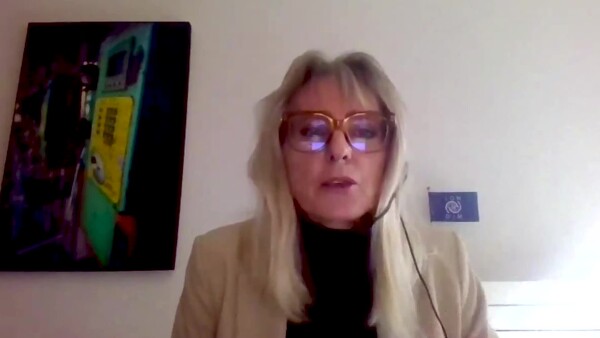
“Equitable access to health services remains insufficient, and stigma, discrimination against migrants widespread - as evidenced by the media reports following discovery of the Omicron variant”, said Jacqueline Weekers, Director of IOM’s Migration Health Division at today’s press briefing at the United Nations in Geneva.
“As I speak, millions of asylum seekers, forcibly displaced families and migrant workers are cut-off from reliable health coverage. Millions of migrants in irregular situations face arrest or deportation when seeking health care due to the absence of viable immigration authorities”, Ms Weekers added.
Vaccine hesitancy in migrant communities must be address with specific, tailored interventions. However, the majority of migrants, Ms Weekers stressed, do want access to Coiv-19 immunization but cannot get to them because of administrative, logistical, geographic, cultural, linguistic or financial barriers.
“According to IOM’s analysis of 180 countries, migrants in irregular situations cannot get the COVID-19 jab in at least 45 countries, now out of 46 access remains unclear”, said IOM’s Ms Weekers.
Prior to the pandemic, WHO and the World Bank noted more than half a billion people were pushed into extreme poverty because of out-of-pocket health costs.
“COVID-19 is likely to hold two decades of global progress towards universal health coverage”, assumed Ms Weekers. She added that “we are already witnessing concerning regression in our fights against other deadly diseases like tuberculosis, HIV and measles especially in marginalized and hard-to-reach communities.”
On the occasion of International Migrants Day, the World Health Organisation pointed out how many people on the move might fall between the cracks of health care systems worldwide.
“Today, one out of thirty people are migrants, one out of ninety-five are forcibly displaced. In other words, we are considering, we are concerned about roughly one billion people between migrants, refugees, irregular migrants and IDPs which may be failing out of the access to health systems”, said Santino Severoni, Director of WHO’s Health and Migration Program.
Health is a fundamental human right for everyone, stressed WHO’s Mr Severoni. “Despite we see, we foresee, the topic to be on top of the political agenda of all member states, still refugees, asylum seekers, state-less people, IDPs, migrants especially those in irregular conditions, tend to be excluded from the access to health systems due to lack of inclusive policies, barriers of the systems including languages, or issues related to availability of needed documentation or issues related to cover the costs for accessing those services.”
-ends-
- Exterior wide shot, United Nations flags flying.
- Medium-wide shot, inside the press conference room (B-128), showing the participants and a cameraman filming the press briefing.
- SOUNDBITE (English): Jacqueline Weekers, Director of IOM’s Migration Health Division: “Equitable access to health services remains insufficient, and stigma, discrimination against migrants widespread - as evidenced by the media reports following discovery of the Omicron variant.”
- Close shot of the TV screen showing the press briefing broadcast on Zoom.
- SOUNDBITE (English): Jacqueline Weekers, Director of IOM’s Migration Health Division: “As I speak, millions of asylum seekers, forcibly displaced families and migrant workers are cut-off from reliable health coverage. Millions of migrants in irregular situations face arrest or deportation when seeking health care due to the absence of viable immigration authorities.”
- Medium shot, journalists taking notes and a cameraman attending the press conference.
- SOUNDBITE (English): Jacqueline Weekers, Director of IOM’s Migration Health Division: “According to IOM’s analysis of 180 countries, migrants in irregular situations cannot get the COVID-19 jab in at least 45 countries, now out of 46 access remains unclear.”
- Close shot of the TV screen showing a speaker and the presenter on the right, masked, listening to the speech.
- SOUNDBITE (English): Jacqueline Weekers, Director of IOM’s Migration Health Division: “COVID-19 is likely to hold two decades of global progress towards universal health coverage. We are already witnessing concerning regression in our fights against other deadly diseases like tuberculosis, HIV and measles especially in marginalized and hard-to-reach communities.”
- Medium shot, journalists, seated and masked attending the meeting.
- SOUNDBITE (English): Santino Severoni, Director of WHO’s Health and Migration Program: “Today, one out of thirty people are migrants, one out of ninety-five are forcibly displaced. In other words, we are considering, we are concerned about roughly one billion people between migrants, refugees, irregular migrants and IDPs which may be failing out of the access to health systems.”
- Close shot of participant.
- SOUNDBITE (English): Santino Severoni, Director of WHO’s Health and Migration Program: “Despite we see, we foresee, the topic to be on top of the political agenda of all member states, still refugees, asylum seekers, state-less people, IDPs, migrants especially those in irregular conditions, tend to be excluded from the access to health systems due to lack of inclusive policies, barriers of the systems including languages, or issues related to availability of needed documentation or issues related to cover the costs for accessing those services.”
- Close shot, journalists taking notes.
- Close shot, a participant attending the meeting.
- Close shot, a participant, masked, listening to the press briefing
Similar Stories

2
17
1
2
Edited News , Press Conferences | OCHA , WMO
Two UN agencies teamed up on Wednesday to issue an appeal for immediate assistance to help communities already being impacted by the strongest El Niño on record.

3
16
2
2
B-roll , Conferences , Edited News | UNITED NATIONS , UNOG
Sixth Consultative Meeting on Enhancing Coordination of Peace Initiatives and Efforts for Sudan

1
1
1
Edited News | UNICEF , WHO , UNHCR
Yemen war continues to force families from homes amid hunger and disease
More than 250,000 people have now fled renewed fighting in Yemen, the UN said on Tuesday, citing particular concern for those sheltering in the southwestern city of Taiz and the wider governorate, where access is “essentially blocked”.

1
1
1
Edited News | UNICEF
A little over one year since a ceasefire agreement was announced between Hamas fighters and Israel, more than 340 children have been reported killed and hundreds more injured, the UN Children’s Fund, UNICEF, said on Friday.

1
1
1
Edited News | UNICEF , IFRC
Six weeks after Nepal’s deadly flooding disaster, communities are still struggling to rebuild their lives, but they will need sustained help as global warming increases the risk of another Himalayan catastrophe, the UN Children’s Fund (UNICEF) said on Friday.

1
1
1
Edited News | WHO
In suspected Russia plague death, testing and monitoring underway – WHO
The death of a lab worker in Russia’s Siberia region has sparked concerns about plague being the cause, the UN World Health Organization (WHO) said on Tuesday, adding that it was following the situation closely.

1
1
Edited News | OHCHR , UNOG
UN Human Rights Chief Volker Türk on Friday provided and oral update to the 63rd session of the Human rights Council on Ukraine.

1
1
1
Edited News | OHCHR , UNOG
UN Human Rights Chief Volker Türk on Friday provided and oral update to the 63rd session of the Human rights Council on the human rights situation in Haiti.

1
1
1
Edited News | WHO
Repeated delays in bringing lifesaving medicines, prosthetics and more from Israel into Gaza risk having devastating consequences on Palestinians who urgently need them in the wartorn enclave, the UN World Health Organization (WHO) said on Friday. “A truck full of non-priority supplies or the right supplies arriving too late, doesn't save lives. That's the question that actually matters," said Dr Reinhilde Van De Weerdt, WHO Representative in the OPT.

1
1
1
Edited News | WHO
DRC: Early access to care and oxygen decisive for Ebola patients’ survival – WHO
In the Democratic Republic of the Congo (DRC), health workers fighting the country’s largest-ever Ebola outbreak are struggling to overcome critical challenges to patient care, the UN World Health Organization (WHO) warned on Tuesday.

1
1
1
Edited News | OCHA , UN
Civilians in Iran are continuing to feel the consequences of months of conflict and military escalation, the UN’s top official in the country has said, as loss of life, damage to civilian infrastructure and mounting economic pressures leave many facing continued uncertainty.
1
1
1
Edited News | WHO , UNICEF
Aid agencies in Yemen highlighted the growing hunger emergency sparked by renewed fighting between Houthi opposition forces and Government troops, after mobile health clinics reported that hundreds of children displaced by the violence are suffering from the most deadly form of malnutrition.