

The United Nations Office at Geneva
Multimedia Newsroom
«Es necesario un acceso para llevar a Gaza los suministros que se necesitan con urgencia», afirma la OMS
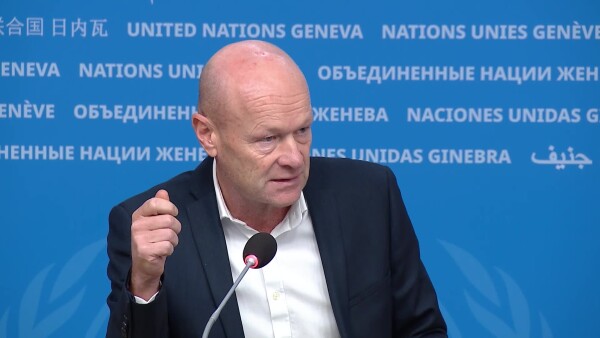
Un mes después del inicio de la crisis entre Israel y Palestina, la Organización Mundial de la Salud (OMS) de las Naciones Unidas reiteró el martes la urgente necesidad de una pausa humanitaria para aliviar el sufrimiento en Gaza e Israel e instó a que se pudiera acceder sin trabas y de forma segura al enclave dirigido por Hamás para suministrar agua, combustible y alimentos a las personas que viven y sufren traumas, enfermedades y falta de atención médica.
«El acceso, el acceso, el acceso es necesario, y eso debe hacerse por carretera. De esta manera podemos traer los suministros», dijo el portavoz de la OMS, Christian Lindmeier, al informar a los periodistas en las Naciones Unidas en Ginebra. «Tenemos los suministros, toda la ONU tiene los suministros fuera de Gaza, en el sur, en el cruce de Rafah desde Al-Shari en adelante, y se están ocupando de los suministros y de la logística.
»
El Sr. Lindmeier informó que «hasta ayer, se habían traído aproximadamente 500 camiones en total durante cuatro semanas». Sin embargo, subrayó, solo ocho camiones de la OMS cargados de suministros médicos habían entrado en Gaza.
Cientos de camiones llenos de ayuda siguen esperando su acceso a la frontera entre Egipto y Gaza y los trabajadores humanitarios sobre el terreno en Gaza están listos para facilitar la distribución de artículos de socorro.
Jens Laerke, de la Oficina de Coordinación de Asuntos Humanitarios (OCHA) de las Naciones Unidas, informó de que de los 569 camiones que entraron en Gaza desde el 21 de octubre, cuando se abrió el paso fronterizo de Rafah, ninguno contenía combustible, algo que las autoridades israelíes siguen prohibiendo.
«Casi todo depende del combustible», enfatizó el Sr. Lindmeier. «Las plantas desalinizadoras, las panaderías, las ambulancias y las incubadoras para bebés necesitan energía. No sé la cifra exacta de cuántos hospitales están sin electricidad y, por lo tanto, no funcionan o están dañados. Sin embargo, el hospital oncológico ha dejado de funcionar debido a una combinación de estos factores; 22 de los 36 hospitales siguen funcionando.
»
El nivel de muerte y sufrimiento es «difícil de comprender», dijo el portavoz de la OMS. En promedio, alrededor de 160 niños mueren cada día, y el número total de muertos ha superado las 10.000 personas, informó la OMS, según cifras del Ministerio de Salud de Gaza
.
«En la guerra hay reglas y todos los combatientes deben respetarlas», dijo el Sr. Lindmeier. Cuando un periodista le preguntó si los militantes se escondían en los hospitales, lo que podría explicar por qué fueron blanco de los ataques aéreos israelíes, el Sr. Lindmeier respondió que «como OMS, no podemos verificar qué hay debajo de los hospitales. Lo que sí podemos verificar es lo que hay en los hospitales y en la superficie. Y estos son centros médicos que se necesitan con urgencia, los únicos lugares de refugio, los únicos lugares que quedan para cualquier tipo de decencia y normalidad para las personas que ya se encuentran en apuros y están heridas y sin hogar sin comida ni agua. »
La OMS está de luto por los 16 trabajadores de la salud que murieron en el desempeño de sus funciones y, al mismo tiempo, los elogió por su profesionalismo y valentía para mantener el sistema de salud en funcionamiento a pesar de todo pronóstico, ya que prácticamente no tenían combustible para alimentar los generadores, las existencias de suministros eran cada vez más escasas, los pasillos de sus instalaciones estaban repletos de heridos y las personas buscaban refugio.
«No solo tienen que decidir si huyen e intentan salvar sus vidas y alejarse de los hospitales que están siendo evacuados y amenazados con bombas y ataques, sino que también tienen sus propias familias», dijo el portavoz de la OMS. «Tienen familiares que han muerto, han estado en casas que han sido atacadas. Por lo tanto, debe ser un escenario extremadamente horrible para ellos. Creo que son los verdaderos héroes de este lugar.
»
El Sr. Lindmeier volvió a subrayar que el derecho internacional humanitario prohíbe cualquier ataque contra el personal de la salud, las ambulancias y los centros de salud.
-termina-
HISTORIA: Hostilidades en la Franja de Gaza - OMS
TRT: 3:10» FUENTE: UNTV CH IDIOMA: INGLÉS RELACIÓN DE ASPECTO: 16:9 FECHA LÍMITE: 7 de noviembre de 2023 - GINEBRA, SUIZA
LISTA DE TIROS
- Imagen mediana exterior: edificio de la ONU con bandera de la ONU, Ginebra de la ONU.
- Plano amplio, sala de conferencias de prensa con periodistas y pantallas, ONU en Ginebra
- SOUNDBITE (INGLÉS) — Christian Lindmeier, portavoz de la Organización Mundial de la Salud (OMS): «Es necesario acceder, acceder, acceder. Y eso no debe hacerse por aire, sino por carretera. De esta forma podemos traer los suministros. Tenemos los suministros, toda la ONU los tiene fuera de Gaza, al sur, en el cruce de Rafah desde Al-Shari en adelante, y nos estamos ocupando de los suministros y de la logística.
- »
- Cutaway: plano medio, camarógrafas, ONU en Ginebra.
- SOUNDBITE (INGLÉS) — Christian Lindmeier, portavoz de la Organización Mundial de la Salud (OMS): «Hasta ayer, se habían traído aproximadamente 500 camiones, en total en cuatro semanas. Y estos son camiones con todos los suministros, y los colegas de las otras agencias de la ONU podrían darle detalles de lo que hay allí, pero son todos los suministros necesarios, incluido el agua, por supuesto, pero también colchones y ropa y lo que sea, la lista es ciertamente muy larga. Solo puedo hablar sobre las piezas necesarias desde el punto de vista médico y, hasta ahora, solo han circulado ocho camiones. Pero tenemos muchos más esperando afuera.
- »
- Cutaway: de cerca, los periodistas escuchan
- SOUNDBITE (INGLÉS) — Christian Lindmeier, portavoz de la Organización Mundial de la Salud (OMS): «En la guerra hay reglas y todos los combatientes deben respetarlas. Como OMS, no podemos verificar qué hay debajo de los hospitales. Lo que sí podemos verificar es lo que hay en los hospitales y en la superficie. Y estos son centros médicos que se necesitan con urgencia, los únicos lugares de refugio, los únicos lugares que quedan para cualquier tipo de decencia y normalidad para las personas que ya se encuentran en apuros y están heridas y sin hogar sin comida ni agua. »
- Cutaway: de cerca, periodista escuchando, ONU en Ginebra
- SOUNDBITE (INGLÉS) — Christian Lindmeier, portavoz de la Organización Mundial de la Salud (OMS): «Casi todo depende del combustible. Las plantas desalinizadoras, las panaderías, las ambulancias y las incubadoras para bebés necesitan energía. No sé la cifra exacta de cuántos hospitales están sin electricidad y, por lo tanto, no funcionan o están dañados. Pero, una vez más, el hospital oncológico ha dejado de funcionar debido a una combinación de estos factores. 22 de los 36 hospitales siguen funcionando.
- »
- Cutaway: plano panorámico, ponentes en el podio y periodistas en la sala de prensa, ONU en Ginebra
- SOUNDBITE (INGLÉS) — Christian Lindmeier, portavoz de la Organización Mundial de la Salud (OMS): «No solo tienen que decidir entre huir e intentar salvar sus vidas y abandonar los hospitales que están siendo evacuados y amenazados de bomba o ataque, sino que también tienen sus propias familias. Tienen familiares que han sido asesinados. Ha habido casas que han sido atacadas. Por lo tanto, debe ser un escenario extremadamente horrible para ellos. Sin embargo, intentan mantenerse en el trabajo y hacer lo mejor que pueden para salvar la vida de otras personas. Así que creo que son los verdaderos héroes de este lugar.
- »
- Cutaway: plano panorámico, sala de conferencias de prensa con periodistas y pantallas, ONU en Ginebra
- Cutaway: primer plano, periodista escuchando, ONU en Ginebra
- Cutaway: tiro mediano, periodistas en la sala de prensa, ONU en Ginebra
Similar Stories
1
1
1
Edited News | OCHA , UNICEF , WFP
Aid agencies warned on Friday of the fast-developing humanitarian emergency inside Taiz City in Yemen, which has been encircled by de facto Houthi forces fighting government troops along the country’s west coast.

2
17
1
2
Edited News , Press Conferences , Images | OCHA , WMO
Two UN agencies teamed up on Wednesday to issue an appeal for immediate assistance to help communities already being impacted by the strongest El Niño on record.
3
16
2
2
Edited News , B-roll , Conferences , Images | UNITED NATIONS , UNOG
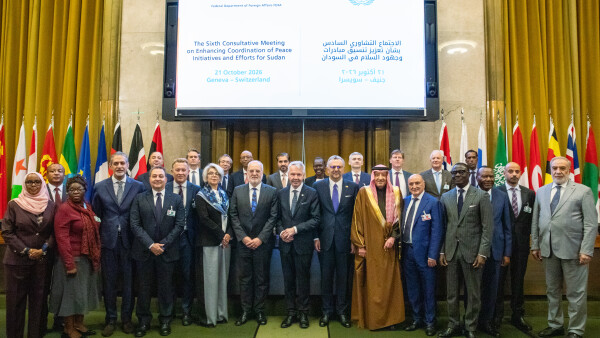
Sixth Consultative Meeting on Enhancing Coordination of Peace Initiatives and Efforts for Sudan
1
1
1
Edited News | UNICEF , WHO , UNHCR
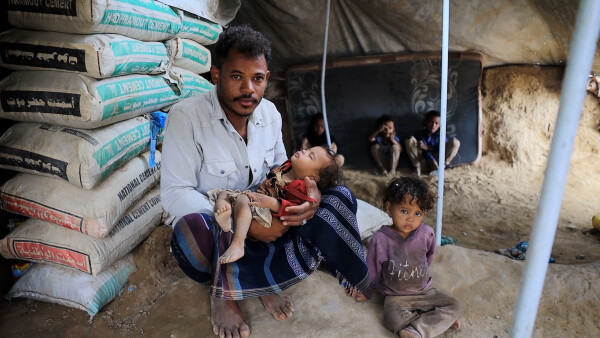
Yemen war continues to force families from homes amid hunger and disease
More than 250,000 people have now fled renewed fighting in Yemen, the UN said on Tuesday, citing particular concern for those sheltering in the southwestern city of Taiz and the wider governorate, where access is “essentially blocked”.

1
1
1
Edited News | UNICEF
A little over one year since a ceasefire agreement was announced between Hamas fighters and Israel, more than 340 children have been reported killed and hundreds more injured, the UN Children’s Fund, UNICEF, said on Friday.

1
1
1
Edited News | UNICEF , IFRC
Six weeks after Nepal’s deadly flooding disaster, communities are still struggling to rebuild their lives, but they will need sustained help as global warming increases the risk of another Himalayan catastrophe, the UN Children’s Fund (UNICEF) said on Friday.

1
1
1
Edited News | WHO
In suspected Russia plague death, testing and monitoring underway – WHO
The death of a lab worker in Russia’s Siberia region has sparked concerns about plague being the cause, the UN World Health Organization (WHO) said on Tuesday, adding that it was following the situation closely.

1
1
Edited News | OHCHR , UNOG
UN Human Rights Chief Volker Türk on Friday provided and oral update to the 63rd session of the Human rights Council on Ukraine.

1
1
1
Edited News | OHCHR , UNOG
UN Human Rights Chief Volker Türk on Friday provided and oral update to the 63rd session of the Human rights Council on the human rights situation in Haiti.

1
1
1
Edited News | WHO
Repeated delays in bringing lifesaving medicines, prosthetics and more from Israel into Gaza risk having devastating consequences on Palestinians who urgently need them in the wartorn enclave, the UN World Health Organization (WHO) said on Friday. “A truck full of non-priority supplies or the right supplies arriving too late, doesn't save lives. That's the question that actually matters," said Dr Reinhilde Van De Weerdt, WHO Representative in the OPT.

1
1
1
Edited News | WHO
DRC: Early access to care and oxygen decisive for Ebola patients’ survival – WHO
In the Democratic Republic of the Congo (DRC), health workers fighting the country’s largest-ever Ebola outbreak are struggling to overcome critical challenges to patient care, the UN World Health Organization (WHO) warned on Tuesday.

1
1
1
Edited News | OCHA , UN
Civilians in Iran are continuing to feel the consequences of months of conflict and military escalation, the UN’s top official in the country has said, as loss of life, damage to civilian infrastructure and mounting economic pressures leave many facing continued uncertainty.