

The United Nations Office at Geneva
Multimedia Newsroom
Edited News , Press Conferences | UNHCR , OCHA
OCHA و UNHCR - مؤتمر صحفي: إطلاق خطط الاستجابة لأوكرانيا - 15 يناير 2024
القصة
أطلقت الأمم المتحدة وشركاء الإغاثة يوم الاثنين نداءً مشتركًا بقيمة 4.2 مليار دولار للمانحين لجلب المساعدات لنحو 10.8 مليون شخص في المجتمعات المتضررة من الحرب في أوكرانيا وأيضًا للاجئين الأوكرانيين ومجتمعات الاستضافة في المنطقة على مدار عام 2024.
موجة حديثة من الهجمات تؤكد الكلفة المدنية المدمرة للحرب، بينما يزيد فصل الشتاء القاسي من الحاجة الملحة للمساعدات الإنسانية التي تنقذ الأرواح.
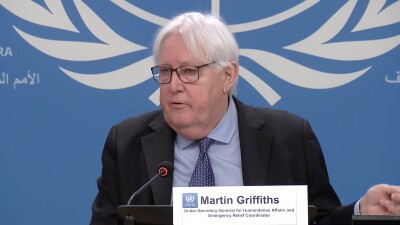
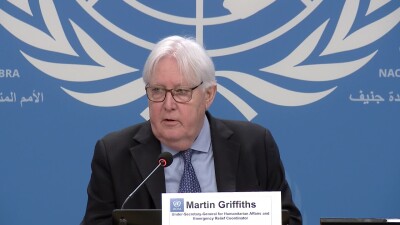
“14.6 مليون شخص، أي 40 في المائة من السكان في أوكرانيا، سيحتاجون إلى مساعدات إنسانية”، قال مارتن غريفيث، أعلى منسق للمساعدات في الأمم المتحدة أثناء إحاطته بالصحفيين في الأمم المتحدة في جنيف. “4 ملايين شخص نزحوا داخليًا. وهذا بالإضافة إلى الذين نزحوا خارجيًا.”
أضاف منسق الشؤون الإنسانية وتقديم الإغاثة في الحالات الطارئة في الأمم المتحدة أن “الأمر كان سيئًا بقدر ما يمكن أن يكون خلال الشهر الماضي […] وكان ذلك حقًا صادمًا للغاية. كان عدد الهجمات، والنطاق الواسع عبر جميع أنحاء البلاد من روسيا، لا يمكن إيقافه تمامًا.”
تنسق مكتب تنسيق الشؤون الإنسانية في الأمم المتحدة (OCHA) الاستجابة داخل أوكرانيا. يطلب هذا الخطة الإنسانية لتلبية الاحتياجات والاستجابة 3.1 مليار دولار لعام 2024 وتستهدف 8.5 مليون شخص.
وفقًا للسيد غريفيث، “3.3 مليون شخص يعيشون في وسط مناطق الحرب، والقصف اليومي، وعدم اليقين حول نهاية اليوم. وهذا حقًا عدد مرتفع بشكل صادم حتى في هذه الأيام.”
من المرجح أن تتدهور الوضعية الإنسانية الحالية في هذا العام بشكل أكبر إذا استمرت العدائيات وزادت الهجمات التي تستهدف البنية التحتية الحيوية مثل الطاقة خلال الشتاء الحالي، وفقًا لما ذكرته OCHA.
“في مناطق دونيتسك وخاركيف، تعيش العائلات في منازل متضررة بدون مياه جارية أو غاز أو كهرباء في البرد القارس،” قال السيد غريفيث. “القصف المستمر دفع الأشخاص كبار السن إلى قضاء أيامهم في القبو. الأطفال مرعوبون، مصابون بصدمات نفسية، لا يزالون يعيشون منذ ثلاث سنوات تحت هذه الظروف، محاصرون في الداخل وكثيرون جدًا منهم بدون تعليم.”
تنسق المفوضية السامية للاجئين في الأمم المتحدة خطة الاستجابة للاجئين الإقليمية (RRP)، التي تطلب 1.1 مليار دولار وتستهدف 2.3 مليون لاجئ ومجتمعات الاستضافة هذا العام.
أثارت الغزو الكامل لأوكرانيا في فبراير 2022 أكبر أزمة للاجئين في أوروبا منذ الحرب العالمية الثانية.
قال فيليبو غراندي، المفوض السامي لشؤون اللاجئين في الأمم المتحدة، “إجمالي التشريد، […] حوالي 10 ملايين شخص. إذا أضفنا الـ 4 ملايين تقريبًا المقدرة بأنها نزحت داخل أوكرانيا وأكثر من 6 ملايين، هؤلاء المقدر أنهم لاجئون على مستوى العالم.”
أضاف أن “من بين الأشخاص خارج أوكرانيا، خاصة أولئك في أوروبا الذين يزيد عددهم عن 5 ملايين. لذا، يتراوح العدد الإجمالي للعائلات العاملة الأوكرانية، اعتمادًا على البلد، بين 40 و 60 في المائة. لذا، هناك دفعة إضافية يجب أن تُبذل فيما يتعلق بالاندماج.”
على الرغم من التحديات الكبيرة في الوصول، خاصة إلى المناطق التي تحتلها الاتحاد الروسي، وصل العاملون في مجال الإغاثة إلى ما يقرب من 11 مليون شخص في أوكرانيا في عام 2023، بدعم من المجتمع الدولي للمانحين. بذلت المنظمات الإنسانية كل جهد لزيادة المساعدة في المجتمعات الأمامية.
-النهاية-
قصة: خطة الإغاثة الإنسانية واللاجئين في أوكرانيا 2024
TRT: 2 دقيقة و 55 ثانية
المصدر: UNTV CH
القيود: لا شيء
اللغة: الإنجليزية / NATS
نسبة العرض إلى الارتفاع: 16:9
تاريخ الإعداد: 15 يناير 2024، جنيف، سويسرا
- لقطة خارجية متوسطة: ساحة العلم الأمم المتحدة، جنيف مع الثلج
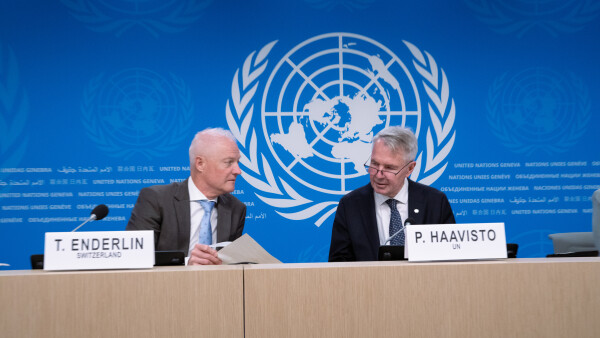
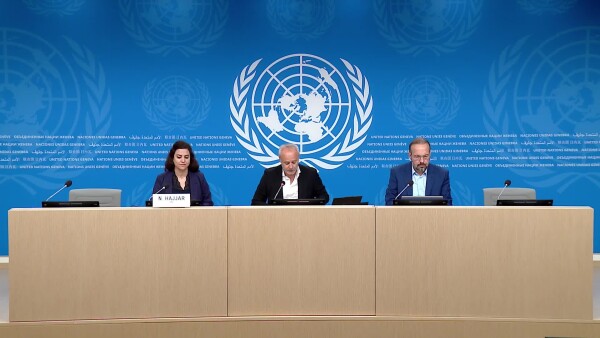
- لقطة واسعة: المتحدثون في مؤتمر صحفي
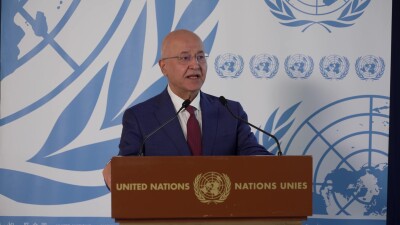
- تصريح صوتي (بالإنجليزية) - مارتن غريفيث، منسق الشؤون الإنسانية والإغاثة الطارئة في الأمم المتحدة: "14.6 مليون شخص، 40 في المائة من السكان في أوكرانيا، سيحتاجون إلى مساعدة إنسانية. 4 ملايين شخص نزحوا داخليا. هذا بالإضافة إلى الذين نزحوا خارجياً."
- لقطة متوسطة، المتحدثون على المنصة مع الصحفيين في غرفة الصحافة
- تصريح صوتي (بالإنجليزية) - مارتن غريفيث، منسق الشؤون الإنسانية والإغاثة الطارئة في الأمم المتحدة: "كانت الأمور سيئة للغاية في الشهر الماضي، أليس كذلك؟ وكان ذلك حقًا صادمًا للغاية. عدد الهجمات، والنطاق الواسع عبر البلاد من روسيا كانت متواصلة تماماً."
- لقطة متوسطة: الصحفيون في غرفة الصحافة
- تصريح صوتي (بالإنجليزية) - مارتن غريفيث، منسق الشؤون الإنسانية والإغاثة الطارئة في الأمم المتحدة: "3.3 مليون شخص يعيشون في وسط مناطق الحرب، تحت القصف اليومي، وعدم اليقين حول نهاية اليوم. وهذا حقًا عددٌ مرتفعٌ بشكلٍ مروع حتى في هذه الأيام."
- لقطة واسعة: الصحفيون في غرفة الصحافة
- تصريح صوتي (بالإنجليزية) - مارتن غريفيث، منسق الشؤون الإنسانية والإغاثة الطارئة في الأمم المتحدة: "في مناطق دونيتسك وخاركيف، تعيش العائلات في منازل متضررة بدون مياه جارية أو غاز أو كهرباء في البرد القارس. القصف المستمر دفع الأشخاص كبار السن لقضاء أيامهم في القبو، والأطفال مرعوبون، مصابون نفسياً، وما زالوا يعيشون منذ ثلاث سنوات تحت هذه الظروف، محاصرين في الداخل والكثير منهم بدون تعليم."
- لقطة متوسطة، المتحدثون على المنصة مع الصحفيين في غرفة الصحافة
- تصريح صوتي (بالإنجليزية) - فيليبو جراندي، المفوض السامي لشؤون اللاجئين في الأمم المتحدة: "إجمالي التشريد اليوم، سأركز على ذلك، حوالي 10 ملايين شخص. إذا أضفنا الـ 4 ملايين تقريبًا المتشردين داخل أوكرانيا وأكثر من 6 ملايين، يُقدر أنهم لاجئون في جميع أنحاء العالم."
- تقريب، صحفي يستمع
- تصريح صوتي (بالإنجليزية) - فيليبو جراندي، المفوض السامي لشؤون اللاجئين في الأمم المتحدة: "من بين الأشخاص خارج أوكرانيا، خاصة أولئك في أوروبا الذين يزيد عددهم عن 5 ملايين، فإن معظمهم يذهبون ويأتون. ولكن العودة لم تكن بأعداد كبيرة جدًا. تقدر المنظمة الدولية للهجرة بأن حوالي 900 ألف شخص عادوا. وهذا تقدير لأنه من الصعب جدًا عد الأشخاص بسبب الحركة المترددة."
- لقطة واسعة: الصحفيون في غرفة الصحافة
- تصريح صوتي (بالإنجليزية) - فيليبو جراندي، المفوض السامي لشؤون اللاجئين في الأمم المتحدة: "عدد اللاجئين في سن العمل الذين يعملون - الأوكرانيين- يعتمد على البلد، ويتراوح بين 40 إلى 60 في المائة. لذا، هناك دفعة إضافية يجب أن تُبذل في مجال الاندماج."
- تقريب: صحفي يلتقط الصور
- تقريب: صحفي يستمع
- لقطة واسعة: امرأة تصور وفنيون في غرفة التحكم
- تقريب: المتحدث باسم OCHA يستمع
- لقطة متوسطة: الصحفيون في غرفة الصحافة
Similar Stories
1
1
1
Edited News | OCHA , UNICEF , WFP
Aid agencies warned on Friday of the fast-developing humanitarian emergency inside Taiz City in Yemen, which has been encircled by de facto Houthi forces fighting government troops along the country’s west coast.
1
1
1
Press Conferences | UN WOMEN , WFP , WHO
UN WOMEN: Sudan Women and girls one year after the fall of El Fasher; increasing drone attacks across the country; WFP: DRC - Ebola spreads to eighth DRC province as WFP delivers food, builds treatment centres and keeps supplies moving; WHO - Update on Ebola (Bundibugyo Virus Disease)
1
12
1
1
Press Conferences , Images | UNOG
Closing Press Conference following the Sixth Consultative Meeting on Enhancing Coordination of Peace Initiatives and Efforts in Sudan

2
17
1
2
Edited News , Press Conferences , Images | OCHA , WMO
Two UN agencies teamed up on Wednesday to issue an appeal for immediate assistance to help communities already being impacted by the strongest El Niño on record.
3
16
2
2
Edited News , B-roll , Conferences , Images | UNITED NATIONS , UNOG
Sixth Consultative Meeting on Enhancing Coordination of Peace Initiatives and Efforts for Sudan
1
1
1
Press Conferences | CITES
Wildlife trade and conservation policy discussions at the 81st meeting of the CITES Standing Committee (SC81)

1
1
1
Edited News | UNICEF , WHO , UNHCR
Yemen war continues to force families from homes amid hunger and disease
More than 250,000 people have now fled renewed fighting in Yemen, the UN said on Tuesday, citing particular concern for those sheltering in the southwestern city of Taiz and the wider governorate, where access is “essentially blocked”.
1
1
1
Press Conferences | UNHCR , UNCTAD , WMO , OCHA , UNICEF , WHO
UNHCR Hungary’s 1956 Refugee Crisis: 70 Years On, UNCTAD World Investment Forum 2026, Doha, WMO Greenhouse Gas Bulletin and Climate Update for COP31, OCHA Afghanistan: Malnutrition, Girls’ Education and Recovery, UNICEF Yemen: Child Malnutrition and Unsafe Water in Taiz, WHO Inequalities in Noncommunicable Diseases and Risk Factors
1
1
1
Press Conferences | UNHCR
End of UNHCR's 77th Annual Executive Committee (ExCom) meeting week

1
1
1
Edited News | UNICEF
A little over one year since a ceasefire agreement was announced between Hamas fighters and Israel, more than 340 children have been reported killed and hundreds more injured, the UN Children’s Fund, UNICEF, said on Friday.
1
1
1
Press Conferences | UNICEF , IOM , UNHCR
UN Special Assistant to the Personal Envoy Office (SUDAN): Peace Initiatives and Efforts in Sudan; UNICEF: Dire situation of children in Gaza; IOM: Damaged Homes and Energy Attacks Risk Displacing Ukrainians for this winter; UNHCR: update on EXCOM week

1
1
1
Press Conferences | IOM , UNDRR
UN stresses importance of household preparedness for disaster risk reduction.