

The United Nations Office at Geneva
Multimedia Newsroom
Le Fonds des Nations Unies pour l'enfance, UNICEF, a lancé un appel urgent de près de 59 millions de dollars vendredi pour arrêter la propagation rapide de la variole du singe dans six pays africains, dont le Burundi, où les jeunes sont les plus touchés.
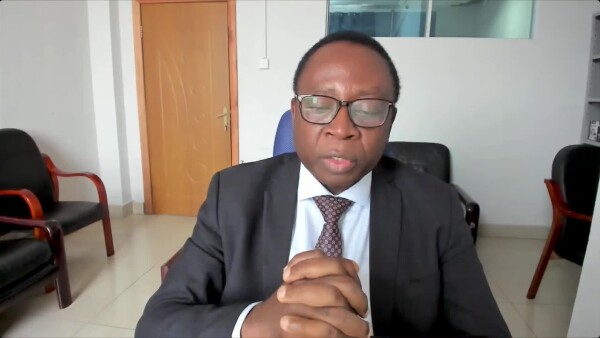
“Les enfants au Burundi sont les plus touchés par l'épidémie de variole du singe avec des taux d'infection et des impacts sur la santé alarmants,” a déclaré le Dr Paul Ngwakum, conseiller régional en santé de l'UNICEF pour l'Afrique de l'Est et l'Afrique australe. “Parmi les près de 600 cas signalés, les deux tiers sont des enfants de moins de 19 ans et la situation s'aggrave très rapidement avec plus de 40 pour cent d'augmentation des cas au cours des trois dernières semaines.”
À ce jour, aucun décès dû à la variole du singe n'a été signalé au Burundi.
Le responsable de l'UNICEF a insisté sur le fait qu'avec un financement et une action rapide, “nous avons l'opportunité de mettre fin à cette épidémie en très peu de temps car la zone géographique est relativement limitée et avec un effort concerté de tous les partenaires, je pense que nous pouvons limiter la propagation; nous pouvons contenir le virus afin de stopper l'épidémie sans aucune perte de vie”.
Suite à la rentrée scolaire plus tôt cette semaine au Burundi, l'agence des Nations Unies reste préoccupée par l'augmentation de la variole du singe chez les enfants de moins de cinq ans, qui représentent 30 pour cent des cas signalés. Pour aider les enseignants et les parents à comprendre les risques et minimiser les perturbations, l'agence des Nations Unies a soutenu les autorités éducatives pour mettre en œuvre des mesures de santé dans les écoles, former le personnel à reconnaître les premiers symptômes de la variole du singe et renforcer l'hygiène des mains.
“Ne vous y trompez pas, nous n'avons pas toutes les réponses. Personne ne les a. C'est une situation en évolution rapide, avec une nouvelle souche infectieuse, et nous en apprenons plus chaque jour sur les différents modes de transmission. Et avec plus d'informations, nous mettons à jour nos messages et notre réponse,” a déclaré le Dr Ngwakum.
L'appel de l'UNICEF fournira également un soutien en santé mentale pour les parents et les travailleurs de première ligne qui peuvent faire face à l'hostilité de certaines communautés en partie à cause de l'association de la variole du singe avec le sexe, qui est responsable de certaines transmissions – mais pas de toutes.
“Le sexe en Afrique n'est pas quelque chose dont on parle quotidiennement. Et s'ils pensent que vous avez une maladie sexuellement transmissible, cela vous stigmatise également,” a expliqué le Dr Ngwakum. “Nous essayons d'expliquer que ce n'est pas le cas. La plupart des enfants l'attrapent par contact corps à corps ou contact avec des animaux ou contact avec des matériaux infectés, ce qui n'a rien à voir avec une contamination sexuelle humaine à humaine.”
Les communautés restent également craintives d'une répétition des précédentes graves épidémies de santé telles qu'Ebola ou COVID-19, “donc il y a un rôle important que nous jouons pour dissiper les mythes et calmer les peurs”, a expliqué le responsable de l'UNICEF.
En soulignant le contraste frappant entre le nombre élevé de décès suspects dus à la variole du singe en RDC et au Burundi, le Dr Margaret Harris de l'Organisation mondiale de la santé (OMS) des Nations Unies a expliqué que cela était probablement dû à l'urgence humanitaire de longue date dans l'est de la RDC.
“Beaucoup des enfants que nous avons vus mourir horriblement et tristement en République démocratique du Congo étaient très immunodéprimés en raison d'une malnutrition sévère et des effets du conflit, et peut-être aussi d'autres maladies en même temps,” a-t-elle déclaré aux journalistes à Genève.
Histoire : Mise à jour sur la variole du singe au Burundi, RDC - UNICEF, OMS
Orateurs :
- Dr Paul Ngwakum, Conseiller Régional en Santé de l'UNICEF pour l'Afrique de l'Est et l'Afrique Australe (depuis Bujumbura)
- Dr Margaret Harris, porte-parole de l'OMS
TRT : 02’56”
SOURCE : UNTV CH
LANGUE : ANGLAIS / NATS
FORMAT : 16:9
DATE : 20 septembre 2024 - GENÈVE, SUISSE
RESTRICTIONS : Aucune
LISTE DES PLANS
- Plan moyen extérieur : allée des drapeaux de l'ONU.
- Plan large de la salle de presse de l'ONU à Genève.
- EXTRAIT SONORE (Anglais) Dr Paul Ngwakum, Conseiller Régional en Santé de l'UNICEF pour l'Afrique de l'Est et l'Afrique Australe (depuis Bujumbura) : « Les enfants au Burundi subissent les conséquences de l'épidémie de variole du singe avec des taux d'infection et des impacts sur la santé alarmants. Sur les près de 600 cas signalés, les deux tiers sont des enfants de moins de 19 ans et la situation s'aggrave très rapidement avec une augmentation de plus de 40 % des cas au cours des trois dernières semaines. »
- Plan moyen de la salle de presse et des participants.
- EXTRAIT SONORE (Anglais) Dr Paul Ngwakum, Conseiller Régional en Santé de l'UNICEF pour l'Afrique de l'Est et l'Afrique Australe (depuis Bujumbura) : « Nous avons l'opportunité de mettre fin à cette épidémie en très peu de temps car la zone géographique est assez limitée et avec un effort concerté de tous les partenaires, je pense que nous pouvons limiter la propagation, contenir le virus et ainsi arrêter l'épidémie sans aucune perte de vie. »
- Plan large, salle de presse.
- EXTRAIT SONORE (Anglais) Dr Paul Ngwakum, Conseiller Régional en Santé de l'UNICEF pour l'Afrique de l'Est et l'Afrique Australe (depuis Bujumbura) : « L'UNICEF lance un appel urgent de 58,8 millions de dollars pour intensifier sa réponse dans six pays africains, y compris le Burundi. Dans ces pays, les enfants sont les plus touchés. Ces fonds sont essentiels pour arrêter la transmission de la variole du singe, protéger les enfants et maintenir des services essentiels critiques. »
- Plan moyen-large, salle de presse.
- EXTRAIT SONORE (Anglais) Dr Paul Ngwakum, Conseiller Régional en Santé de l'UNICEF pour l'Afrique de l'Est et l'Afrique Australe (depuis Bujumbura) : « Trente pour cent sont des enfants de moins de cinq ans. Et si vous regardez les données en RDC, c'est le même schéma. Donc, cette épidémie est plus, plus sévère ou affecte principalement les enfants. »
- Plan moyen-large, salle de presse et podium.
- EXTRAIT SONORE : Dr Margaret Harris, porte-parole de l'OMS : « Les trois pays signalant le plus de cas suspects de variole du singe en 2024 sont la République Démocratique du Congo, avec 21 835 cas suspects et 717 décès ; au Burundi, nous avons 14 089 cas suspects et aucun décès signalé, et au Nigeria, nous avons 935 cas suspects et aucun décès signalé. »
- Plan moyen-large, salle de presse et podium.
- EXTRAIT SONORE : Dr Margaret Harris, porte-parole de l'OMS : « Beaucoup des enfants que nous avons vus mourir horriblement et tristement en République Démocratique du Congo étaient très immunodéprimés en raison d'une malnutrition sévère et des effets du conflit, et peut-être aussi d'autres maladies en même temps. »
- Plan moyen, journalistes, participants.
- Plan large, salle de presse, participants et cabines de contrôle.
- Plan moyen, journalistes.
Similar Stories

1
1
1
Edited News | OCHA , UNICEF , WFP
Aid agencies warned on Friday of the fast-developing humanitarian emergency inside Taiz City in Yemen, which has been encircled by de facto Houthi forces fighting government troops along the country’s west coast.

2
17
1
2
Edited News , Press Conferences , Images | OCHA , WMO
Two UN agencies teamed up on Wednesday to issue an appeal for immediate assistance to help communities already being impacted by the strongest El Niño on record.

3
16
2
2
Edited News , B-roll , Conferences , Images | UNITED NATIONS , UNOG
Sixth Consultative Meeting on Enhancing Coordination of Peace Initiatives and Efforts for Sudan

1
1
1
Edited News | UNICEF , WHO , UNHCR
Yemen war continues to force families from homes amid hunger and disease
More than 250,000 people have now fled renewed fighting in Yemen, the UN said on Tuesday, citing particular concern for those sheltering in the southwestern city of Taiz and the wider governorate, where access is “essentially blocked”.

1
1
1
Edited News | UNICEF
A little over one year since a ceasefire agreement was announced between Hamas fighters and Israel, more than 340 children have been reported killed and hundreds more injured, the UN Children’s Fund, UNICEF, said on Friday.

1
1
1
Edited News | UNICEF , IFRC
Six weeks after Nepal’s deadly flooding disaster, communities are still struggling to rebuild their lives, but they will need sustained help as global warming increases the risk of another Himalayan catastrophe, the UN Children’s Fund (UNICEF) said on Friday.

1
1
1
Edited News | WHO
In suspected Russia plague death, testing and monitoring underway – WHO
The death of a lab worker in Russia’s Siberia region has sparked concerns about plague being the cause, the UN World Health Organization (WHO) said on Tuesday, adding that it was following the situation closely.

1
1
Edited News | OHCHR , UNOG
UN Human Rights Chief Volker Türk on Friday provided and oral update to the 63rd session of the Human rights Council on Ukraine.

1
1
1
Edited News | OHCHR , UNOG
UN Human Rights Chief Volker Türk on Friday provided and oral update to the 63rd session of the Human rights Council on the human rights situation in Haiti.

1
1
1
Edited News | WHO
Repeated delays in bringing lifesaving medicines, prosthetics and more from Israel into Gaza risk having devastating consequences on Palestinians who urgently need them in the wartorn enclave, the UN World Health Organization (WHO) said on Friday. “A truck full of non-priority supplies or the right supplies arriving too late, doesn't save lives. That's the question that actually matters," said Dr Reinhilde Van De Weerdt, WHO Representative in the OPT.

1
1
1
Edited News | WHO
DRC: Early access to care and oxygen decisive for Ebola patients’ survival – WHO
In the Democratic Republic of the Congo (DRC), health workers fighting the country’s largest-ever Ebola outbreak are struggling to overcome critical challenges to patient care, the UN World Health Organization (WHO) warned on Tuesday.

1
1
1
Edited News | OCHA , UN
Civilians in Iran are continuing to feel the consequences of months of conflict and military escalation, the UN’s top official in the country has said, as loss of life, damage to civilian infrastructure and mounting economic pressures leave many facing continued uncertainty.