

The United Nations Office at Geneva
Multimedia Newsroom
Press Conferences | UNICEF , WHO
SESIÓN INFORMATIVA URGENTE DE LA ONUG, 21 DE NOVIEMBRE DE 2023
ARGUMENTO
Después de una pausa de cuatro días en los combates entre Israel y Hamas, que comenzó el viernes a las 7 am hora local, camiones con entregas humanitarias entraron en la Franja de Gaza a través del cruce de Rafah desde Egipto, brindando alivio a los gazatíes en el devastado enclave palestino, informaron los humanitarios de la ONU.
“Las Naciones Unidas pueden confirmar que, en este momento, los camiones con suministros humanitarios continúan cruzando hacia Gaza a través del punto de cruce de Rafah”, dijo Jens Laerke, portavoz de la oficina de coordinación de asuntos humanitarios de la ONU (OCHA). “Esperamos que el acuerdo entre Israel y Hamas, que ahora está en vigor, traiga alivio a la gente de Gaza e Israel, y algo de alivio a los rehenes y detenidos que serán liberados y a sus familias.”
A medida que el número de muertos en el enclave superaba los 14.800 hasta el jueves por la noche, según la Oficina de Medios de Comunicación del Gobierno de Gaza citada por la OCHA, se estima que miles de personas están atrapadas bajo los escombros de sus casas.
El Sr. Laerke dijo que “esperamos que el alto el fuego permita a las familias en duelo honrar a los fallecidos y enterrarlos con dignidad, y esperamos que esta pausa humanitaria conduzca a un alto el fuego humanitario a más largo plazo en beneficio de la gente de Gaza, Israel y más allá.”
La ONU ha subrayado repetidamente que las agencias humanitarias necesitaban acceso en toda la Franja, incluido en el norte, donde las necesidades eran mayores. Se esperaba que las personas necesitadas fueran alcanzadas dondequiera que estuvieran, pero aún era demasiado pronto para confirmar cuándo sería posible.
El portavoz de la OCHA reiteró la importancia de obtener “acceso en toda la Franja de Gaza, especialmente en el norte. Allí es donde los daños y las necesidades humanitarias son mayores. Por lo tanto, seguimos pidiendo acceso para llegar a todas las partes de Gaza.”
La OCHA informó que el jueves entraron en Gaza 75.000 litros de combustible desde Egipto, siguiendo una decisión israelí del 18 de noviembre de “permitir la entrada diaria de pequeñas cantidades de combustible para operaciones humanitarias esenciales”. La Oficina de la ONU dijo la semana pasada que se necesitaban alrededor de 200.000 litros de combustible al día.
“Es muy importante obtener combustible, para poder operar cualquier maquinaria que se necesite para sacar a la gente de los escombros”, subrayó el Sr. Laerke. “Vemos esto en todo tipo de situaciones en las que hay daños e colapso masivos de infraestructuras.”
Al dar la bienvenida a la pausa humanitaria, aunque se necesitaba más, el portavoz de la agencia de salud de la ONU (OMS) Christian Lindmeier dijo que “estamos trabajando en evacuaciones adicionales de hospitales lo antes posible.” Recordó que “el 22 de noviembre, junto con la Media Luna Roja de Palestina, una misión conjunta de la ONU evacuó a 151 pacientes, familiares y trabajadores de la salud que los acompañaban de nuestro principal hospital en el norte de Gaza. Esto se hizo específicamente a solicitud de las autoridades sanitarias y los funcionarios de hospitales en Gaza.”
Esta fue la tercera misión a Al-Shifa realizada por la OMS y sus socios en menos de una semana; la primera fue una misión de evaluación el 18 de noviembre y la segunda una misión de evacuación para transportar a 31 bebés el 19 de noviembre. La OMS estaba trabajando en evacuaciones adicionales de hospitales.
“Estamos extremadamente preocupados por la seguridad de los aproximadamente 100 pacientes y trabajadores de la salud que quedan en Al-Shifa y, debido al tiempo limitado que los miembros de la misión pudieron pasar en el hospital y a la urgencia de trasladar a los más críticos, fue difícil determinar exactamente cuántos quedan”, dijo el Sr. Lindmeier.
De los 24 hospitales que operaban en el norte antes de la guerra, 22 están fuera de servicio o no pueden admitir nuevos pacientes, mientras que de los 11 centros médicos en el sur, ocho están funcionales. La OMS dijo que, de estos, solo uno tiene la capacidad de tratar casos críticos de trauma o realizar cirugías complejas.
-fin-
HISTORIA: Inicio del alto el fuego en Gaza OMS - OCHA 24 de noviembre de 2023
DURACIÓN: 2:40”
FUENTE: UNTV CH
IDIOMA: INGLÉS
RELACIÓN DE ASPECTO: 16:9
LUGAR: 10 de noviembre de 2023 - GINEBRA, SUIZA
LISTA DE TOMAS
- Plano medio exterior: Edificio de la ONU con la bandera de la ONU, Ginebra.
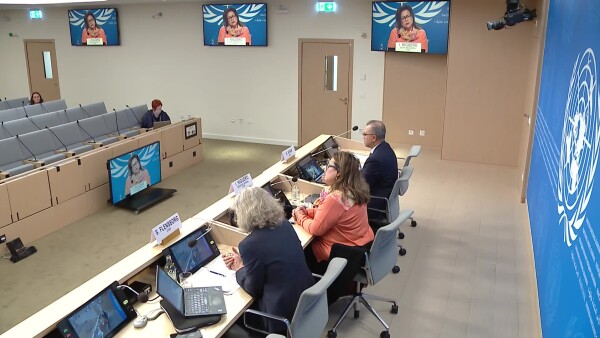
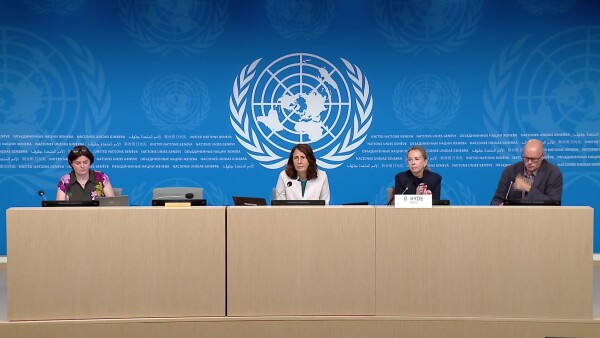
- Plano general, sala de conferencias de prensa con portavoz, periodistas y pantallas, ONU Ginebra
- DECLARACIONES (INGLÉS) – Jens Laerke, portavoz de OCHA: “Las Naciones Unidas pueden confirmar que, en este momento, los camiones con suministros humanitarios continúan cruzando hacia Gaza a través del punto de cruce de Rafah. Esperamos que el acuerdo entre Israel y Hamas, que ahora está en vigor, traiga alivio a la gente de Gaza y a Israel, y algo de alivio a los rehenes y detenidos que serán liberados y a sus familias. Esperamos que permita a las familias en duelo honrar a sus muertos y enterrarlos con dignidad. Y esperamos que esta pausa humanitaria conduzca a un alto el fuego humanitario a largo plazo en beneficio de la gente de Gaza, Israel y más allá.”
- Corte: Plano general, sala de conferencias de prensa con portavoz, periodistas y pantallas, ONU Ginebra
- DECLARACIONES (INGLÉS) – Jens Laerke, portavoz de OCHA: “Necesitamos acceso a lo largo de la Franja de Gaza, especialmente en el norte. Ahí es donde se encuentran los mayores daños y necesidades humanitarias. Por lo tanto, seguimos pidiendo acceso para llegar a todas las partes de Gaza.”
- Corte: Plano general, sala de conferencias de prensa con portavoz, periodistas y pantallas, ONU Ginebra
- DECLARACIONES (INGLÉS) – Jens Laerke, portavoz de OCHA: “Es muy importante llevar combustible para poder operar cualquier maquinaria que se requiera para sacar a la gente de entre los escombros. Vemos esto en todo tipo de situaciones donde hay daños e colapso infraestructural masivos.”
- Corte: Plano general, sala de conferencias de prensa con periodistas y pantallas, ONU Ginebra
- DECLARACIONES (INGLÉS) - Christian Lindmeier, portavoz de la Organización Mundial de la Salud (OMS): “Estamos trabajando en nuevas evacuaciones de hospitales lo antes posible, les recordamos que el 22 de noviembre, junto con la Media Luna Roja de Palestina, la OMS lideró una misión conjunta de la ONU para evacuar a 151 pacientes, familiares y trabajadores de la salud que los acompañaban del Hospital Al-Shifa en el norte de Gaza. Esto se hizo específicamente a solicitud de las autoridades sanitarias y los funcionarios del hospital en Gaza.”
- Corte: Primer plano, periodista escuchando, ONU Ginebra
- DECLARACIONES (INGLÉS) – Christian Lindmeier, portavoz de la Organización Mundial de la Salud (OMS): “Estamos extremadamente preocupados por la seguridad de los aproximadamente 100 pacientes y trabajadores de la salud que permanecen en Al-Shifa y, debido al tiempo limitado que los miembros de la misión pudieron pasar en el hospital y la urgencia de trasladar a los más críticos, fue difícil determinar exactamente cuántos quedan.”
- Corte: Primer plano, técnicos escuchando, ONU Ginebra
- Corte: Plano general, sala de conferencias de prensa con periodistas, ONU Ginebra
- Corte: Primer plano, periodista escuchando, ONU Ginebra
Similar Stories
1
1
1
Press Conferences | CITES
Wildlife trade and conservation policy discussions at the 81st meeting of the CITES Standing Committee (SC81)
1
1
1
Press Conferences | UNHCR , UNCTAD , WMO , OCHA , UNICEF , WHO
UNHCR Hungary’s 1956 Refugee Crisis: 70 Years On, UNCTAD World Investment Forum 2026, Doha, WMO Greenhouse Gas Bulletin and Climate Update for COP31, OCHA Afghanistan: Malnutrition, Girls’ Education and Recovery, UNICEF Yemen: Child Malnutrition and Unsafe Water in Taiz, WHO Inequalities in Noncommunicable Diseases and Risk Factors
1
1
1
Press Conferences | UNHCR
End of UNHCR's 77th Annual Executive Committee (ExCom) meeting week
1
1
1
Press Conferences | UNICEF , IOM , UNHCR
UN Special Assistant to the Personal Envoy Office (SUDAN): Peace Initiatives and Efforts in Sudan; UNICEF: Dire situation of children in Gaza; IOM: Damaged Homes and Energy Attacks Risk Displacing Ukrainians for this winter; UNHCR: update on EXCOM week
1
1
1
Press Conferences | IOM , UNDRR
UN stresses importance of household preparedness for disaster risk reduction.
1
1
1
Statements , Press Conferences | OHCHR
1
1
1
Press Conferences | UNHCR , UNICEF , IFRC , OHCHR , UN WOMEN , IOM , OCHA , WHO
UNHCR – ExCom Meeting, UNICEF – Nepal Recovery, IFRC – Flash Floods, WHO – Mental Health, IOM – South Sudan Floods, OCHA – DRC Humanitarian aid, UNHCR – Sahel Displacement, UNICEF – Yemen Update, IOM – Gaza Shelter, UN Women – Gaza Women, OHCHR – Arrests and detentions of Syrians by Israeli force
2
1
2
Press Conferences | UNCTAD
Presentation of the Trade and Developement Report 2026
Embargoed until 9 October 2026 at 11 a.m. (Geneva Time)
UNCTAD: UNCTAD’s flagship report finds that governments increasingly use industrial, trade, financial and technology policies to pursue economic and national security objectives. Market access and the ability to move into higher-value activities now depend more heavily on technology, finance and geopolitics.
1
1
1
Press Conferences | UPU
Release of the State of the Postal Sector Report 2026
1
1
1
Press Conferences | IOM , ITU , UNECE , UNICEF , WHO , WMO
UNICEF: Ebola, DRC - children orphans or separating them from parents and caregivers; IOM: Humanitarian needs in Djibouti amid arrivals from Yemen and increased migrant movements; WHO: Darfur, scale of health needs far exceeds available resources; WMO co-sponsored Global Heat Forum, Bangkok, monthly Global Seasonal Climate Update; UNECE: UN Forum of Mayors; ITU Plenipotentiary Conference 2026; WHO: child and adolescent obesity guidelines and new global roadmap to tackle pregnancy hypertension, a leading cause of maternal mortality
1
1
1
Press Conferences | OCHA , UN WOMEN , UNHCR , WFP , WHO , WTO , UNEP
OCHA – $160M CERF allocation to 12 underfunded crises; UNHCR – 5.8M refugee children remain out of school amid funding cuts; UN Women – Middle East escalation and food security among women/girls; WHO – Gaza supplies and overall situation; WFP – Yemen food insecurity and impact on global hunger ; UNEP - First International Conference of the Global Framework on Chemicals in Geneva | 16-20 November 2026
1
1
1
Press Conferences | UNHCR , WHO
Yemen's health system nears collapse amid conflict, causing rising casualties and medicine shortages.